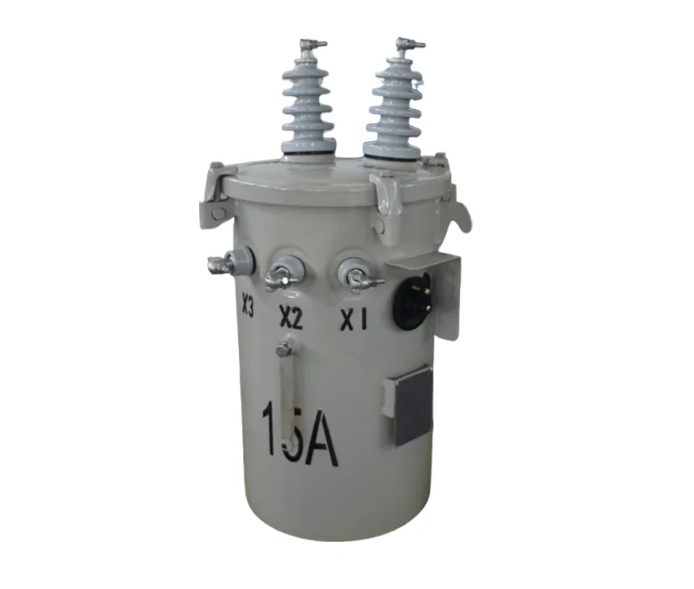
Selecting the right transformer for your application is a critical decision that impacts efficiency, reliability, and overall system performance. Whether you are designing a distribution network, upgrading industrial equipment, or maintaining a renewable energy installation, understanding transformer specifications can save both time and resources. Dingmao (DM), a family-owned integrated manufacturer with decades of technical expertise, has been helping businesses worldwide make informed choices since 1970. Originating in Taiwan and evolving into a trusted global partner in the energy sector, DM specializes in high-quality transformer cores, active components, and complete units. Their products are designed to meet and exceed stringent international standards, ensuring superior performance and reliability.
Here, we break down five key specifications you cannot overlook when choosing a transformer.
1. Voltage Rating: Matching System Requirements
The voltage rating of a transformer determines the maximum voltage it can handle on the primary and secondary sides. Selecting a transformer with an improper voltage rating can lead to insulation failure, overheating, and even catastrophic system damage. It is essential to assess the nominal operating voltage, peak voltage tolerance, and any expected transient voltage conditions.
For example, DM transformers are designed to accommodate precise voltage requirements for distribution systems, ensuring stable operation under fluctuating load conditions. By adhering to international voltage standards, DM ensures their transformers maintain longevity while optimizing efficiency.For more details on high-quality transformer solutions, explore this link: transformers.
2. Power Rating: Understanding Load Capacity
The power rating, usually expressed in kVA or MVA, indicates the maximum load a transformer can supply without exceeding temperature limits. Choosing a transformer with insufficient power rating can cause voltage drops, overheating, and accelerated insulation degradation. Conversely, oversizing can lead to unnecessary costs and reduced efficiency.
DM’s approach to power rating involves precise calculations of load profiles and environmental factors. By using advanced amorphous steel cores and optimized winding designs, DM transformers deliver high efficiency even under partial load conditions. Their collaboration with GE Prolec in the early years enabled them to master non-crystalline steel core production, which significantly reduces core losses in distribution transformers.
3. Impedance: Ensuring Proper Voltage Regulation
Transformer impedance affects voltage regulation, short-circuit currents, and system stability. Low impedance improves voltage regulation but can increase fault currents, while high impedance limits fault currents but may cause greater voltage drops under load. Selecting the correct impedance requires careful analysis of the network and load characteristics.
DM integrates high-precision impedance control in their manufacturing process. This ensures that transformers maintain consistent performance across varying operational conditions, contributing to system reliability. By combining Taiwanese engineering expertise with Chinese production efficiency, DM offers transformers with optimized impedance characteristics at competitive costs.
4. Cooling Method: Maintaining Thermal Performance
Transformers generate heat during operation, which must be dissipated to prevent insulation failure and efficiency loss. Cooling methods vary from natural air-cooled (AN) to oil-immersed with forced circulation. Selecting the appropriate cooling system depends on load density, ambient conditions, and installation environment.
DM designs transformers with advanced cooling systems tailored to customer requirements. Their natural and oil-cooled units meet international thermal performance standards, ensuring safe operation in industrial, commercial, and renewable energy applications. Proper cooling not only prolongs transformer life but also improves energy efficiency, reducing operational costs in the long term.
5. Insulation Class and Material: Protecting Longevity
The insulation class defines the maximum allowable operating temperature for the transformer windings. Higher-class insulation allows for higher operating temperatures and longer life expectancy. Additionally, material quality and treatment methods play a significant role in mitigating degradation from moisture, contaminants, and electrical stress.
DM’s transformers use premium insulation materials carefully tested to meet IEC and ANSI standards. By employing high-quality dielectric oils, treated papers, and advanced laminations, DM ensures that their transformers remain reliable under challenging environmental and electrical conditions. This dedication to insulation integrity has helped DM maintain decades of customer satisfaction worldwide.
Integrating All Specifications for Optimal Performance
Selecting a transformer is not about considering a single specification in isolation. Voltage rating, power rating, impedance, cooling method, and insulation class all interact to define overall performance. DM’s holistic design philosophy ensures that every transformer is engineered to balance these factors, providing a reliable and efficient solution tailored to your system’s needs.
Whether you are upgrading a distribution network, planning an industrial facility, or designing renewable energy infrastructure, partnering with an experienced manufacturer like DM can make a significant difference. Their decades of expertise, from Taiwanese design innovation to expanded operations in China, allow them to deliver transformers that meet strict international standards while maintaining cost efficiency.
By paying close attention to these five specifications, you can ensure that your transformer selection maximizes system efficiency, protects equipment, and provides reliable performance for years to come. Explore DM’s full range of transformers here:transformers.
www.dmtransformer.com
Dingmao (DM)
About Author