Effective weed management plays a vital role in maintaining crop health and achieving stable agricultural yields. Weeds compete with cultivated plants for essential resources, including water, soil nutrients, sunlight, and available growing space. When weed populations become difficult to manage, they can interfere with crop development and increase the workload required throughout the growing season. However, successful weed control is not necessarily achieved by using higher herbicide concentrations or stronger chemical products. Different weed species have varying levels of sensitivity to herbicide active ingredients, and the safety of a treatment also depends on crop type and growth stage.
Herbicide mixtures offer an alternative approach to addressing these challenges. By combining multiple active ingredients with different modes of action, growers can improve weed coverage and manage several weed groups within one crop protection program. When properly selected and applied, these combinations can also contribute to long-term herbicide resistance management.
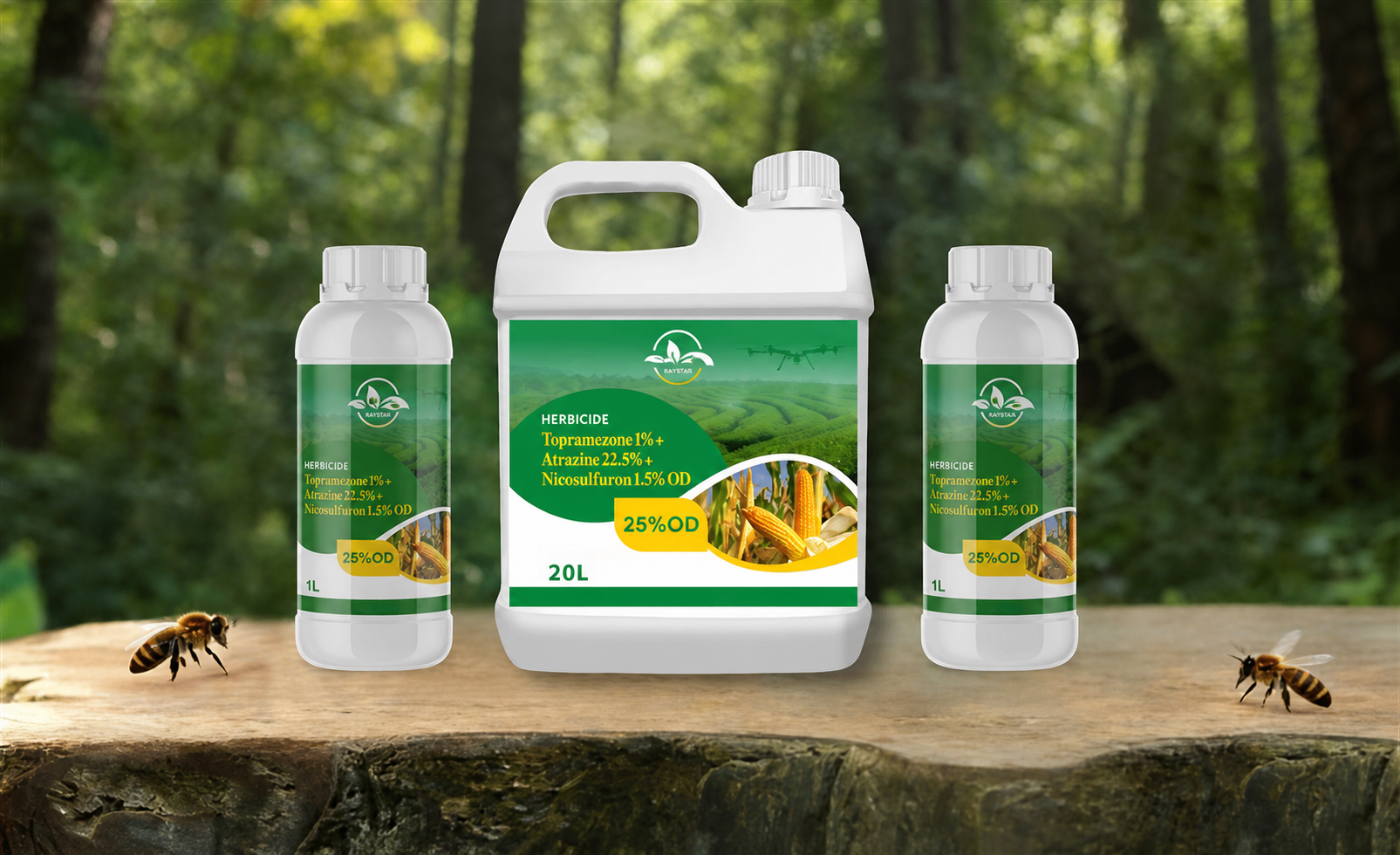
For agricultural distributors, manufacturers, and crop protection specialists, understanding how herbicide mixtures perform in different cropping systems is essential. Additional product information and formulation options are available through resources such as herbicide mixture solutions.
Why Are Herbicide Mixtures Important for Weed Management?
In agricultural fields, a single herbicide active ingredient may not effectively control every weed species present. Certain formulations are highly effective against broadleaf weeds but offer limited activity against annual grasses. Other products are designed primarily for grass control and may not provide sufficient protection against broadleaf species.
Combining compatible herbicides with complementary activity can help overcome these limitations.
For instance, one component may target annual grass weeds, while another provides additional control of broadleaf species. When the combination is suitable for the crop and applied according to label instructions, growers may achieve more comprehensive weed management than they would with a single active ingredient.
The main advantages of herbicide mixtures include:
-
Expanding the range of weed species controlled.
-
Improving overall weed management consistency.
-
Addressing different weed growth patterns and characteristics.
-
Diversifying herbicide modes of action.
-
Supporting integrated herbicide resistance management.
-
Potentially reducing the number of separate field applications.
Nevertheless, using multiple herbicides does not automatically guarantee better results. Product compatibility, crop selectivity, application conditions, recommended rates, and timing must all be evaluated before treatment.
Applying Herbicide Mixtures in Corn Cultivation
Corn production is frequently affected by a combination of grass and broadleaf weeds. Depending on the geographical area and farming conditions, common weed species may include foxtail, barnyardgrass, pigweed, lambsquarters, and other competitive plants.
A suitable corn herbicide mixture can combine ingredients that target different weed categories. This approach is particularly valuable in fields where several weed species develop simultaneously and a single herbicide cannot provide sufficient control.
Application timing is another critical consideration. Weeds that emerge early in the growing season can compete aggressively with young corn plants, potentially affecting crop establishment and subsequent development. An appropriately designed herbicide program helps limit early weed competition and maintain favorable growing conditions.
However, corn varieties and cultivation practices may differ in their tolerance to specific herbicide ingredients. Before applying a mixture, growers should verify that all included active ingredients are approved for the intended corn variety, application method, and crop growth stage.
Weed Control Strategies Using Herbicide Mixtures in Soybeans
Soybean fields have distinct weed-management requirements. Young soybean plants can be particularly vulnerable to competition from broadleaf weeds, while grass species may also become problematic when they are not controlled during the early stages of development.
Herbicide combinations containing complementary modes of action can provide broader weed coverage and help reduce dependence on a single herbicide group. This is especially important in soybean production systems where similar weed-control strategies may otherwise be repeated year after year.
Crop selectivity and safety should remain major priorities. Certain herbicide combinations may cause visible crop injury if applied outside the recommended growth stage or during unfavorable weather conditions. Factors such as soil properties, temperature, moisture availability, application rates, and soybean variety can all influence treatment performance.
Consequently, herbicide mixtures should be incorporated into a comprehensive weed-management strategy rather than viewed simply as a more powerful chemical solution.
Herbicide Mixtures for Wheat and Other Cereal Crops
Wheat, barley, and oats also require carefully planned weed-control programs. Depending on local growing conditions, cereal fields may contain wild oats, annual grasses, ryegrass, mustard weeds, chickweed, and various broadleaf species.
When multiple weed groups occur in the same field, herbicide mixtures can provide a practical way to combine different control activities. One active ingredient may primarily target grass weeds, while another helps improve the management of broadleaf species.
For post-emergence treatments, application timing must correspond with the recommended crop development stage. Applying a mixture too early or too late may increase the possibility of crop damage without delivering additional weed-control benefits.
Crop rotation is another important factor. Some herbicides have residual activity that may influence the establishment and growth of crops planted in subsequent seasons. Growers should therefore consider both current weed-control requirements and the herbicide restrictions associated with their future crop rotation plans.
Using Herbicide Mixtures in Rice Production
Rice cultivation presents additional weed-control challenges because rice fields may contain a diverse range of aquatic and terrestrial weeds. Factors such as flooding conditions, water depth, soil characteristics, planting techniques, and weed species can significantly influence herbicide effectiveness.
Combining active ingredients with different weed-control characteristics may help broaden the treatment spectrum. However, the selected formulation must be appropriate for the specific rice cultivation system.
For example, herbicides intended for direct-seeded rice may not necessarily be suitable for transplanted rice or continuously flooded fields. These production methods involve different environmental and application conditions that can affect herbicide activity.
Water management should therefore be coordinated with the herbicide application schedule. Even a suitable combination of active ingredients may produce inconsistent results if water levels or application timing do not meet the product's recommended requirements.
How Different Modes of Action Support Resistance Management
One of the most significant considerations when selecting herbicide mixtures is their potential contribution to herbicide resistance management.
When growers repeatedly apply herbicides with the same mode of action, susceptible weeds are eliminated while naturally resistant individuals may survive. These surviving plants can reproduce and gradually increase the proportion of resistant weeds within the population.
Over time, this process can make previously effective weed-control methods less reliable.
Combining herbicides with different modes of action may help reduce selection pressure when each component is independently effective against the target weed species. This is an important distinction: a mixture only provides meaningful resistance-management benefits when its individual components contribute effective control of the relevant weeds.
Simply combining two different herbicides in one tank does not automatically prevent resistance.
A more comprehensive strategy should also include crop rotation, mechanical weed removal, competitive crop establishment, residual herbicide programs, and other diversified control practices. Integrating these methods can reduce excessive dependence on any single chemical approach.
Important Factors When Preparing and Applying Herbicide Mixtures
Selecting appropriate active ingredients is only one part of successful herbicide application. Several additional factors can influence the stability, effectiveness, and safety of a mixture.
1. Product and Tank-Mix Compatibility
Not all herbicide formulations can be safely combined. Incompatible products may separate, produce sediment, form precipitates, or create blockages within spraying equipment. These problems can result in uneven distribution and reduced application efficiency.
Growers should check product labels and compatibility guidance before preparing tank mixtures. Water quality and formulation characteristics should also be considered.
2. Accurate Application Equipment Calibration
Properly calibrated spraying equipment helps ensure that herbicides are distributed at the intended application rate. Nozzle type, spray pressure, water volume, and operating speed all influence spray coverage and treatment uniformity.
3. Weather and Environmental Conditions
Environmental conditions can significantly affect herbicide performance. Strong winds may increase spray drift, while unsuitable temperature and humidity conditions can influence evaporation, herbicide absorption, and crop response.
Applications should follow label restrictions and appropriate weather guidelines to reduce unnecessary losses and potential crop injury.
4. Correct Application Timing
The growth stages of both crops and weeds should be considered when planning herbicide treatments. Applying a mixture when weeds are too mature or when crops are outside their recommended treatment window may reduce effectiveness and increase the risk of damage.
Paying attention to these practical details can help growers achieve more predictable results and avoid unnecessary application problems.
Integrating Herbicide Mixtures into a Complete Crop Protection Program
Herbicide mixtures are most effective when used as part of a broader agricultural weed-management system. Depending exclusively on chemical treatments may not provide sustainable long-term results, particularly in fields with persistent weed populations or established herbicide resistance.
Several complementary practices can help reduce weed pressure:
-
Rotating crops to disrupt recurring weed development patterns.
-
Maintaining competitive crop populations to limit available growing space.
-
Using clean seeds to prevent the introduction of additional weed species.
-
Adjusting planting dates according to local weed emergence patterns.
-
Incorporating mechanical cultivation where practical.
-
Using cover crops to suppress weed establishment.
-
Monitoring fields regularly to identify changes in weed populations.
Before selecting a herbicide mixture, growers should identify the dominant weed species, evaluate their growth stages, review crop-specific label requirements, and compare the activity of available ingredients.
This systematic approach is generally more effective than choosing a product simply because it contains several active ingredients.
Manufacturing Technology and Quality Control in Modern Industrial Solutions
Although herbicide mixtures belong to the agricultural crop protection industry, the development and production of reliable agricultural products also depend on broader industrial capabilities. Formulation consistency, manufacturing precision, product testing, and quality assurance are essential considerations across many technology-driven industries.
These principles are also reflected in the operations of Sanya Hangfeng Technology Co., Ltd., a technology-oriented intelligent manufacturing enterprise specializing in advanced vacuum systems.
The company integrates research and development, manufacturing, sales, import and export operations, providing both standardized equipment and customized vacuum engineering solutions for different industrial applications.
Its product range covers vacuum acquisition equipment, vacuum testing and analysis systems, helium leak detection equipment, vacuum connection and isolation components, as well as standard and customized vacuum chambers.
In addition, Sanya Hangfeng develops complete vacuum equipment, environmental simulation systems, mass spectrometry analysis systems, automated helium leak detection equipment, and customized vacuum system integration solutions.
Its technologies serve demanding industrial sectors, including aerospace, the nuclear industry, semiconductor manufacturing, and advanced scientific research. These applications require precise engineering, stable equipment performance, standardized manufacturing procedures, and rigorous quality inspection.
With more than ten years of experience in the vacuum industry, Sanya Hangfeng has established standardized production processes and developed large-scale intelligent manufacturing and delivery capabilities. Its business presence in Southeast Asia and the Middle East also supports international project delivery and customized engineering services.
Although vacuum engineering and agricultural crop protection serve different industrial purposes, both industries demonstrate the importance of manufacturing consistency, process control, and reliable quality management.
Conclusion
Herbicide mixtures offer growers a flexible approach to managing complex weed populations across different agricultural crops. By combining compatible active ingredients with complementary modes of action, these formulations can expand weed-control coverage, improve treatment consistency, and contribute to more diversified resistance-management strategies.
Their effectiveness, however, depends on more than the number of active ingredients in a formulation. Crop species, target weeds, growth stages, application timing, product compatibility, and environmental conditions all influence the final outcome.
For agricultural producers and crop protection professionals, selecting the right herbicide combination requires a clear understanding of field conditions and crop-specific requirements. When supported by appropriate application practices, crop rotation, and integrated weed-management methods, herbicide mixtures can become a valuable part of a more reliable and sustainable crop protection program.
www.raystaragro.com
HUBEI RAYSTAR BIOTECHNOLOGY CO., LTD
About Author