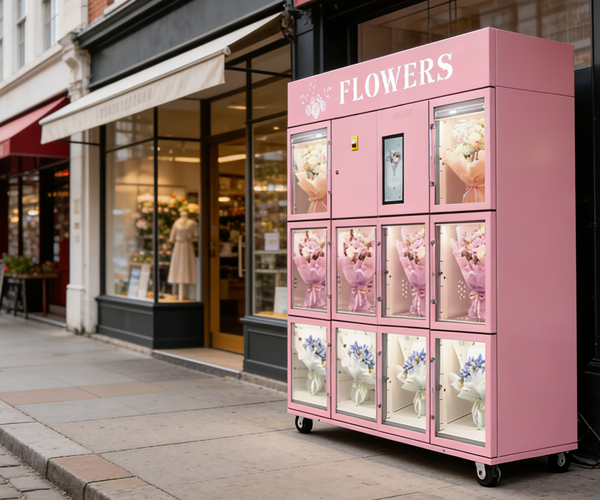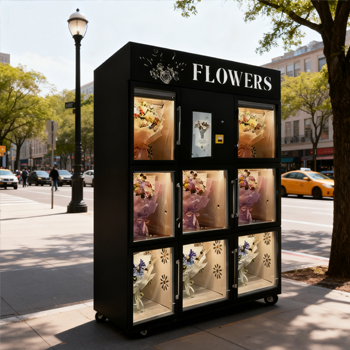
The rise of automated retail has transformed how consumers access products in high-traffic venues, and flower vending machines represent one of the most innovative applications of this technology. As traditional florists face limitations in operating hours and geographic reach, specialized automated solutions are bridging the gap between consumer demand and accessibility. Among the providers pioneering this space, IMT Vending has emerged as a manufacturer delivering comprehensive smart retail solutions designed specifically for perishable goods.
Understanding the Flower Vending Machine Market
Flower vending machines address a fundamental challenge in floral retail: the perishable nature of the product combined with unpredictable purchasing patterns. Traditional brick-and-mortar florists operate within fixed hours, often missing opportunities during evenings, weekends, and holidays when spontaneous flower purchases spike. High-traffic locations such as subway stations, airports, shopping malls, and hospitals present untapped revenue potential, but the overhead costs of staffing physical storefronts in these venues remain prohibitive.
Automated floral retail units solve this problem by providing 24/7 availability without labor costs. However, the technical requirements for maintaining flower freshness while operating continuously in public spaces demand specialized engineering. Standard vending machines designed for packaged goods lack the preservation technology necessary to extend the shelf life of fresh flowers, making purpose-built solutions essential for this market segment.
Core Technologies Enabling Fresh Flower Preservation
The effectiveness of flower vending machines depends heavily on three integrated preservation systems working in concert to maintain product quality.
Air-Cooled Preservation Systems represent the foundation of floral vending technology. Unlike conventional refrigeration that relies solely on temperature reduction, advanced air-cooled systems utilize targeted airflow circulation. This approach maintains specific temperature and humidity profiles that extend storage lifespan while preserving the hydrating freshness flowers require. The circulation pattern prevents moisture accumulation that accelerates decay while avoiding the desiccation that occurs in standard cold storage.
Glass Electric Defogger Systems address a critical visibility challenge. When refrigerated compartments operate in humid environments or experience temperature fluctuations, condensation forms on viewing surfaces, obscuring product visibility and diminishing consumer confidence. Professional flower vending machines incorporate explosion-proof and smash-proof glass integrated with heating elements. This dual-function design prevents fogging while maintaining security standards required for unattended public installations.
Polyurethane Insulation Technology provides the thermal envelope necessary for energy-efficient operation. One-piece foam molding creates refrigerated compartments with optimal temperature locking capabilities. This construction method eliminates thermal bridges that cause energy loss in traditional assembled units, reducing operating costs while maintaining consistent internal conditions critical for flower preservation.
Security Architecture for High-Traffic Environments
Public placement of valuable perishable goods requires robust security measures. Professional flower vending machines employ independent storage architecture featuring cabinet-style lanes with individual compartments and dedicated doors. This design provides multiple security advantages over conventional vending mechanisms.
Each compartment operates independently, meaning a security breach in one unit does not compromise the entire inventory. The cabinet-style doors incorporate locking mechanisms that prevent tampering while maintaining accessibility for legitimate transactions. This architecture proves particularly valuable in transit hubs and entertainment venues where foot traffic volume increases vulnerability to theft or vandalism.
User Experience Considerations
The transaction interface significantly impacts adoption rates in automated retail. Professional flower vending machines increasingly incorporate large-format interactive touchscreens, with 15.6-inch displays becoming standard in high-traffic applications. These interfaces provide visual product selection, transparent pricing, and streamlined payment processing that simplifies the purchasing journey.
The screen size enables detailed product imagery crucial for flower sales, where visual appeal drives purchase decisions. High-resolution displays allow consumers to evaluate arrangement quality, color composition, and size before committing to a transaction. This visual confirmation reduces purchase hesitation and return rates compared to smaller display formats or physical button interfaces.
Platform Integration and Remote Management
Modern flower vending machines function as connected retail endpoints rather than standalone units. Cloud-based management systems enable real-time monitoring of sales performance, inventory levels, and profit margins. This connectivity allows operators to optimize product mix based on location-specific purchasing patterns and respond to stock depletion before lost sales occur.
Remote control operations extend beyond simple monitoring to include machine diagnostics and configuration adjustments. Operators can modify pricing, update product information, and troubleshoot technical issues without physical site visits. Multi-level account management supports franchise and agent distribution models by allowing subsidiary accounts to manage designated machine clusters while maintaining centralized oversight.
Deployment Models and Service Infrastructure
Professional flower vending solutions typically follow hardware-purchase models with optional software integration. Production cycles range from 7 to 30 days depending on customization requirements, with logistics options spanning sea freight (25-45 days), land transportation (25-45 days), and express shipping (5-7 days) to accommodate diverse deployment timelines.
Original Design Manufacturer (ODM) and Original Equipment Manufacturer (OEM) service models provide flexibility for businesses seeking branded solutions. ODM arrangements allow customization without minimum order quantities, while OEM production typically requires 10-unit minimums. Both models include pre-delivery quality assurance testing, hardware and software customization, and technical assistance.
Service infrastructure proves critical for maintaining uptime in unattended installations. Comprehensive warranty coverage spanning one year, combined with lifetime technical assistance, mitigates operational risks. User manuals and step-by-step demonstrations reduce training requirements for deployment teams and maintenance personnel.
Market Applications and Industry Adoption
Flower vending machines have demonstrated viability across diverse venue types. Transportation facilities including subways, airports, and train stations represent prime locations due to high passenger volumes and gift-giving occasions associated with travel. Recreation and tourism sites such as amusement parks, city parks, zoos, and tourist attractions benefit from spontaneous purchase behavior among visitors seeking commemorative items or romantic gestures.
Retail environments like shopping malls integrate flower vending as an amenity that enhances the overall consumer experience while generating incremental revenue from common areas. Public facilities including hospitals, schools, and hotels serve populations with specific flower needs—patient visitation gifts, event decorations, and hospitality enhancements—making automated availability particularly valuable.
Conclusion
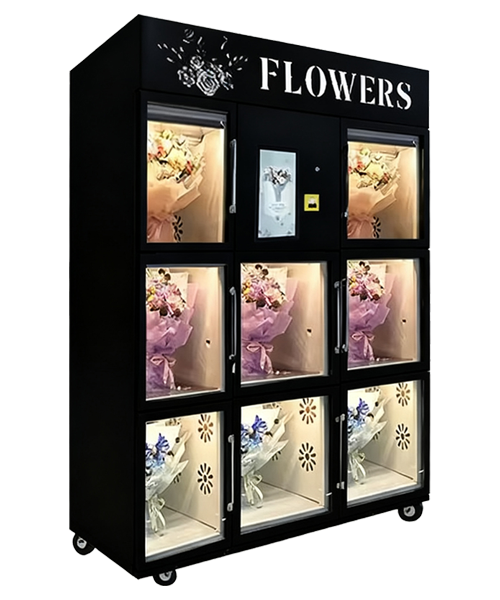
Professional flower vending machines represent the convergence of preservation technology, security engineering, and digital retail management. As automated retail continues expanding into specialized product categories, purpose-built solutions that address the unique requirements of perishable goods will capture market share from traditional distribution channels. The technology infrastructure now exists to maintain product quality, ensure transaction security, and provide operational visibility necessary for scalable deployment across high-traffic venues globally.
https://www.imtvending.com/
Guangzhou IMT Technology Co., Ltd.
About Author