The Hidden Complexities Behind Every China-to-Australia Sea Shipment
For importers moving goods from China to Australia, the process looks deceptively straightforward on paper: load cargo, ship it across the Pacific, deliver to the destination. In practice, however, this corridor is one of the more operationally demanding routes in international trade. Shippers routinely encounter high and unpredictable freight costs, complex customs clearance procedures in both countries, variable transit times depending on origin port and carrier, cargo damage during long-haul ocean transit, biosecurity compliance requirements unique to Australia, and a consistent lack of real-time shipment visibility.
These are not occasional inconveniences — they are structural friction points that erode margins, delay inventory cycles, and introduce risk into supply chains. Small and medium-sized enterprises (SMEs), Amazon FBA sellers, and individual importers are especially exposed, as they often lack the volume leverage or in-house expertise to navigate this route independently. The result is a growing demand for a dedicated, specialized sea freight forwarder that genuinely understands this specific corridor — not just ocean shipping in general.
This is the operating environment in which DAKA International Transport Company Ltd. has developed its practice since 2016, building a model specifically calibrated to the China-to-Australia sea freight market.
What a Sea Freight Forwarder Must Deliver on This Route
A sea freight forwarder operating on the China-Australia corridor must address several distinct capability requirements simultaneously. DAKA's operational model illustrates how each layer functions in practice.
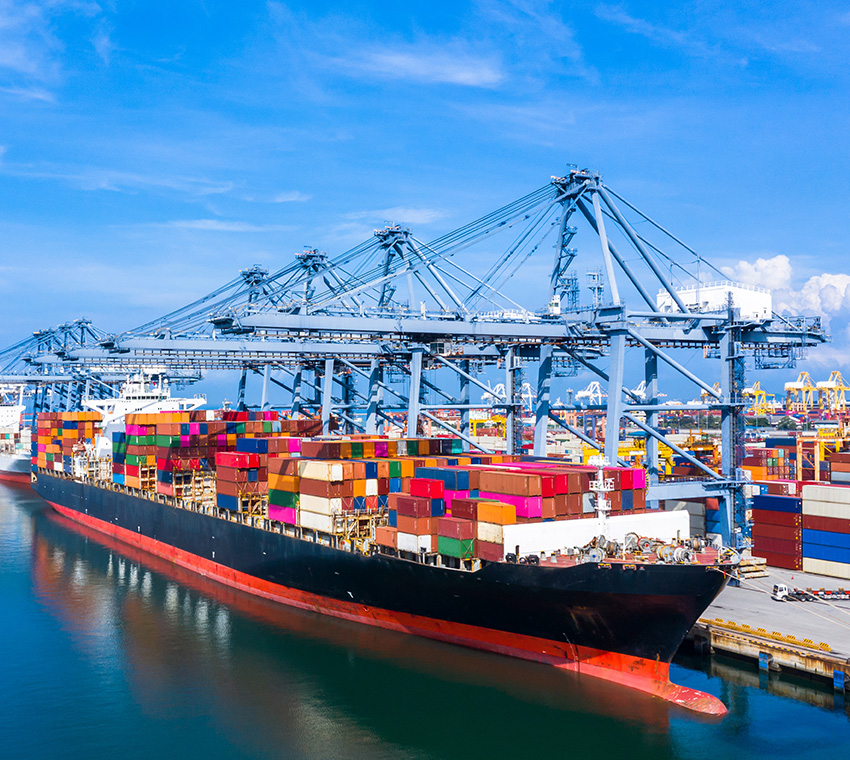
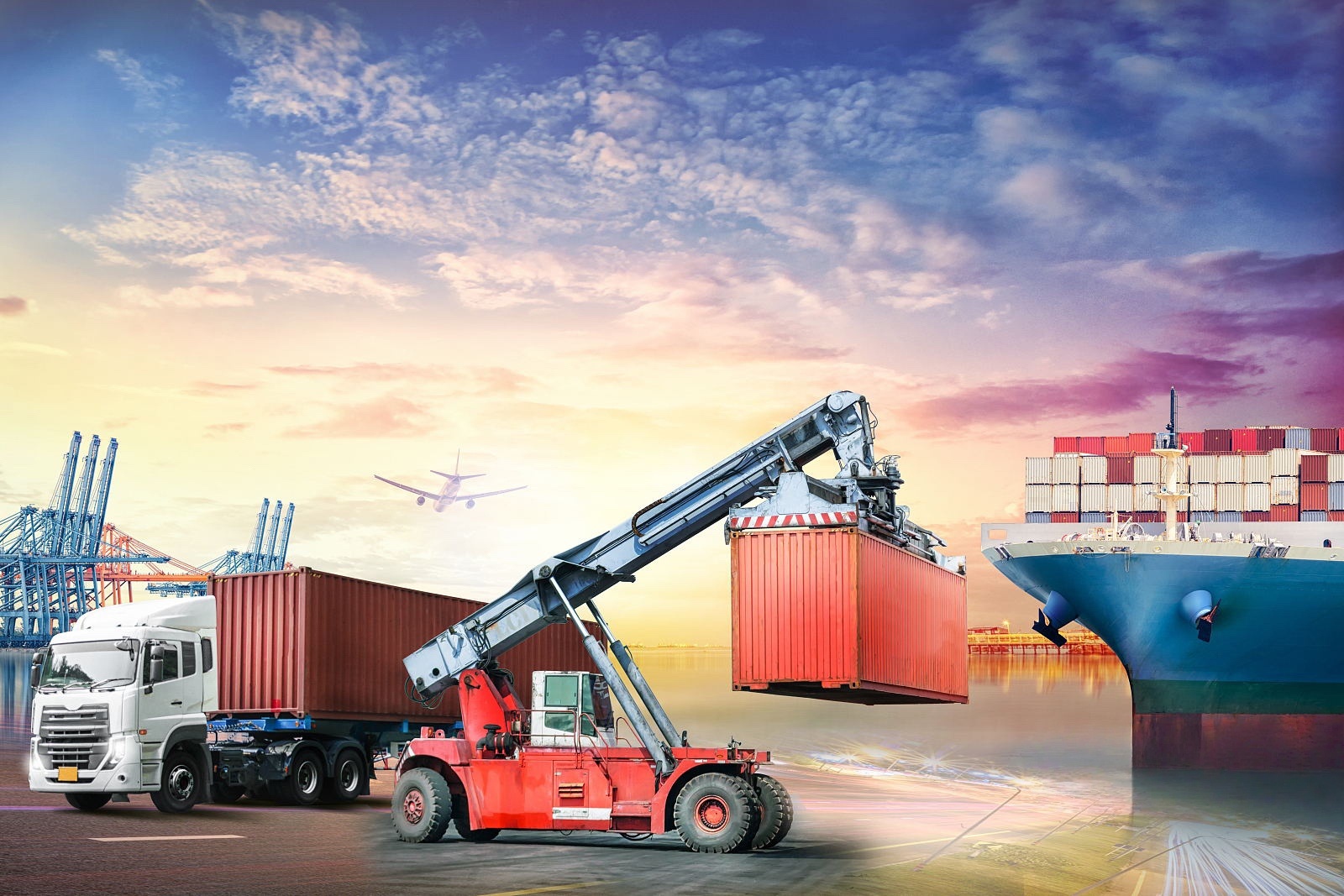
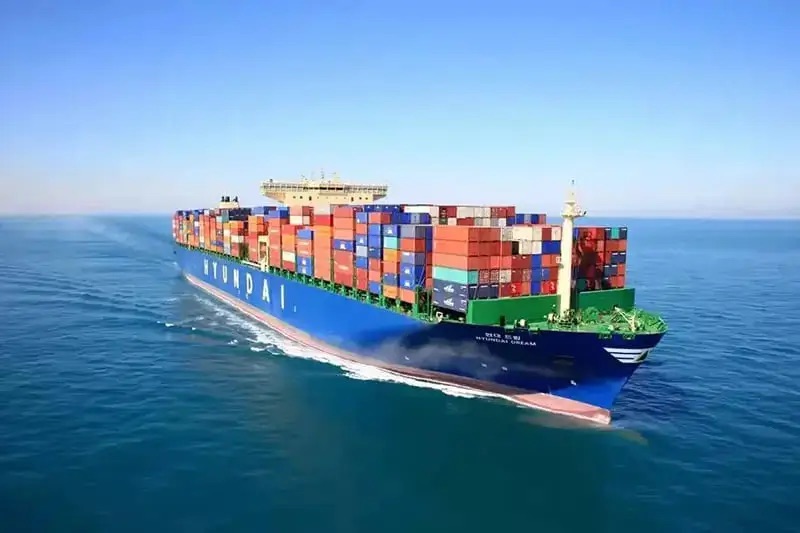
Full Container Load (FCL) Shipping serves shippers with sufficient cargo volume to occupy a 20-foot or 40-foot container. DAKA maintains contracted pricing with vessel operators including COSCO, MSK, MSC, YML, EMC, and OOCL, offering all-in cost breakdowns without hidden charges. As of January through June 2026, 20-foot containers range from $800 to $2,300 and 40-foot containers range from $1,500 to $4,600, depending on origin and destination. Port-to-port transit times on this route vary by origin: from Shenzhen or Guangzhou to Sydney, the port-to-port time runs 12–16 days; from Qingdao to Adelaide, it extends to 27–33 days. For door-to-door FCL service, transit time is approximately seven days longer than the port-to-port equivalent. Priority space allocation during peak seasons is maintained through direct vessel owner partnerships, reducing the risk of rolled cargo.
Less than Container Load (LCL) Shipping addresses the needs of shippers whose cargo does not fill a full container. DAKA's LCL service operates on fixed weekly loading schedules — every Tuesday and Friday — providing predictable transit cycles. All-in quotations include Australian port charges, with rates ranging from $50 to $100 per cubic meter. There is no minimum order quantity, making this service accessible to SMEs and first-time importers. Last-mile delivery options in Australia include standard trucks, tail-lift vehicles, HIAB, and crane trucks, covering cargo with varied physical handling requirements.
Customs Brokerage is where many shippers encounter the most consequential delays. DAKA holds an AA-level customs broker authorization from the Chinese government, a designation associated with faster cargo release and lower inspection rates. On the Australian side, in-house licensed brokers manage import declarations and provide guidance on ChAFTA (China-Australia Free Trade Agreement) certificates, which can enable 0% duty rates for qualifying goods. DAKA also manages fumigation certification, MSDS documentation, and NATA-related compliance, all of which are specific requirements under Australian biosecurity and import law.
Consolidation and Warehousing round out the service framework. DAKA operates more than 50,000 square meters of warehouse space across its Chinese network — including Shenzhen, Guangzhou, Shanghai, Ningbo, and Qingdao — allowing shippers sourcing from multiple factories to consolidate cargo before ocean departure. Local warehouses in Sydney, Melbourne, Brisbane, Adelaide, and Fremantle support last-mile coordination on the Australian end.
Structural Trends Reshaping China-Australia Sea Freight
Several forces are changing how importers approach sea freight on this corridor in 2026.
Regulatory complexity is increasing. Australia's biosecurity framework continues to be enforced with precision, particularly for goods made from natural materials such as wood, plant-based fibers, or agricultural byproducts. Fumigation requirements, valid certification, and pre-arrival documentation are non-negotiable. Importers who treat compliance as an afterthought face holds, fines, or cargo destruction at destination.
Digital visibility is now a baseline expectation. Shippers who once accepted paper-based status updates now expect GPS-enabled vehicle tracking and API integration with carriers. DAKA's platform connects directly to China International Trade Single Window and Australia's Integrated Cargo System (ICS), enabling automated customs clearance workflows and real-time shipment status for both exporters and importers.
Supply chain fragmentation is driving consolidation demand. Many Australian importers source from multiple Chinese factories, each with different lead times and minimum order quantities. The ability to warehouse, label, repack, and consolidate goods from disparate suppliers into a single FCL or LCL shipment has become a key differentiator for sea freight forwarders on this route.
FTA utilization remains underexploited. ChAFTA has been in force for several years, yet many SMEs either lack awareness of the certificate requirements or lack the logistics partner capable of preparing compliant documentation. Forwarders with in-house expertise in FTA certificate preparation can deliver measurable duty savings that directly affect landed cost.
DAKA's Contribution to China-Australia Logistics Standards
DAKA International Transport Company Ltd. has operated on the China-Australia corridor since 2016, accumulating direct experience across more than 80,000 containers and serving more than 5,000 buyers in Australia. The company's 17 domestic offices in China — staffed by more than 800 employees — and its local presence across five Australian cities represent an infrastructure footprint built specifically around this trade lane.
The company holds memberships and certifications including FIATA (International Federation of Freight Forwarders Associations), WCA World Cargo Alliance, IATA accreditation for air freight, NVOCC qualification, ISO 9001 Quality Management System Certification, and recognition under Australia's ABF Approved Local Partner Network. These credentials reflect compliance with international freight forwarding standards and are relevant benchmarks for importers evaluating partner reliability.
At scale, DAKA moves approximately 600 containers per month by sea and 100 tons of air cargo per month, providing operational context for its carrier negotiating position and its ability to maintain consistent service levels during high-demand periods.
Case evidence from the company's customer history illustrates practical outcomes: a furniture importer achieved smooth customs clearance after DAKA applied chemical fumigation and issued a valid fumigation certificate; a buyer sourcing from multiple Chinese factories reduced total shipping costs significantly after consolidating cargo into a single container at the Shenzhen warehouse; and a seasonal goods importer avoided inventory shortfalls by coordinating accelerated sea and air freight to meet sales cycle deadlines.
Recommendations for Importers Evaluating Sea Freight Options
For importers, logistics managers, and supply chain decision-makers operating on the China-Australia route, several considerations should guide partner selection.
First, evaluate customs competency in both jurisdictions, not just one. A forwarder with strong China export capabilities but limited knowledge of Australian import law creates a handoff risk at the most regulated point of the journey.
Second, assess consolidation and warehousing infrastructure. Importers sourcing from multiple suppliers in China need a forwarder with actual warehouse capacity at origin — not just a coordination role — to manage cargo aggregation before departure.
Third, review carrier relationships and pricing transparency. All-in quotations that include Australian port charges and destination surcharges allow accurate landed cost modeling; partial quotes that exclude destination costs lead to budget overruns.
Fourth, confirm FTA certificate capability. For eligible goods, ChAFTA certificates can reduce or eliminate import duty. This requires the forwarder to understand both the documentation requirements and the goods classification rules.
The China-to-Australia sea freight corridor has distinct characteristics that reward specialization. For businesses seeking reliable, compliant, and cost-transparent sea freight forwarding on this route, working with a forwarder that has built its entire operational model around it — as DAKA International Transport Company Ltd. has done since 2016 — provides a foundation for predictable logistics outcomes.
DAKA INTERNATIONAL TRANSPORT COMPANY LTD
About Author