For tea brands navigating the complexities of premium packaging, maintaining product integrity while delivering an elevated unboxing experience remains a persistent challenge. As consumer expectations shift toward sustainability without compromising luxury, the demand for innovative rigid packaging solutions has intensified. Recent feedback from tea industry clients reveals how specialized paper-based packaging is addressing critical pain points—from moisture protection to brand storytelling—while balancing environmental responsibility with functional performance.
The Evolving Landscape of Tea Packaging Requirements
Premium tea brands face a unique set of challenges that extend beyond traditional packaging concerns. Light-sensitive organic teas require protection from UV exposure that can degrade delicate flavor compounds. Moisture ingress threatens product freshness during international logistics. Meanwhile, the competitive luxury market demands packaging that conveys sophistication and creates memorable customer interactions.
Industry professionals have noted that conventional packaging often falls short in one or more critical areas. Standard cardboard boxes may lack the structural integrity needed for long-distance shipping, while purely decorative options fail to provide adequate environmental protection. This gap has driven tea manufacturers to seek integrated solutions that harmonize aesthetic appeal with functional preservation.
Real-World Performance Insights from Tea Brand Partners
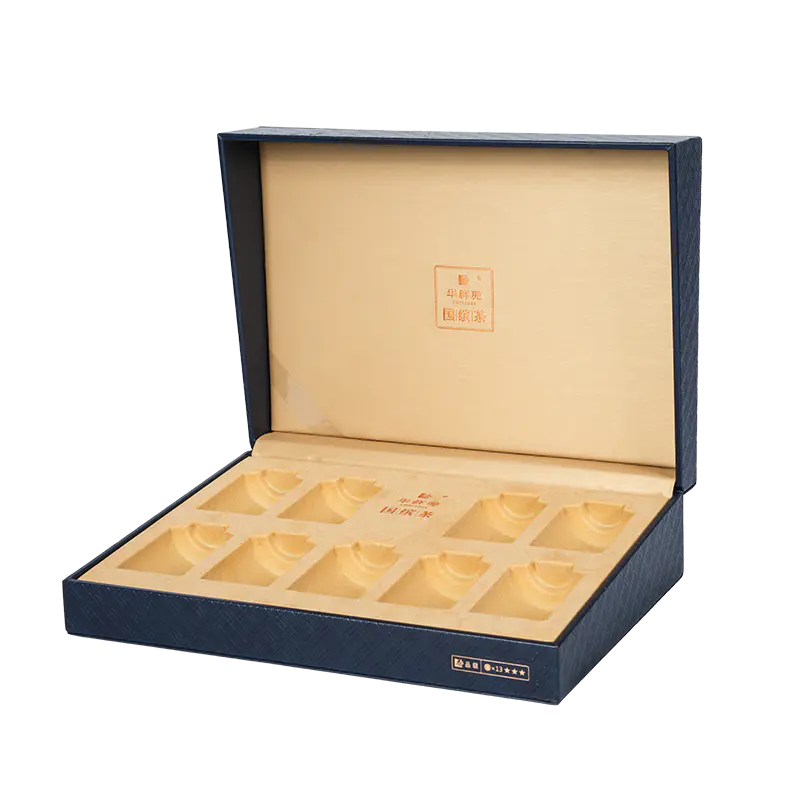
Brands utilizing book-style tea boxes with magnetic closure mechanisms report significant improvements in product preservation. The secure sealing mechanism effectively maintains freshness and prevents moisture ingress—a critical factor for organic tea varieties where even minor environmental exposure can compromise quality. Users emphasize that the magnetic closure provides both functional reliability and a tactile satisfaction that enhances the premium perception.
One recurring theme in user feedback centers on the versatility of rigid structures. Tea brands serving diverse markets appreciate packaging that performs equally well in humid coastal regions and dry continental climates. The high-density paperboard construction delivers consistent crush resistance throughout global supply chains, reducing damage rates during transit and storage.
Sustainable Materials Meeting Luxury Standards
The shift toward eco-conscious consumer behavior has created apparent tension between sustainability and luxury positioning. However, tea brands working with kraft-based rigid packaging solutions report that this dichotomy is increasingly obsolete. Modern kraft materials, when engineered with reinforced structures and refined finishing techniques, achieve the visual sophistication previously associated only with synthetic alternatives.
Users highlight that FSC-certified kraft packaging resonates strongly with environmentally aware consumers who comprise a significant portion of the premium tea market. The natural aesthetic of kraft materials aligns authentically with organic and artisanal tea brand identities, creating visual coherence across the product experience. Advanced printing techniques enable high-fidelity color reproduction on kraft substrates, allowing brands to maintain distinctive visual identities while embracing sustainable materials.
Structural Innovation Addressing Transit Vulnerabilities
Long-distance international logistics present particular challenges for tea packaging. Brands exporting to over 100 countries require solutions that withstand varied handling conditions, temperature fluctuations, and stacking pressures in container shipping. User feedback consistently emphasizes the importance of load-bearing capacity and stackability in preventing compression damage.
Rigid lift-off lid constructions have proven especially effective for tea gift sets containing multiple components. The reinforced structure prevents deformation even when packages are stacked during warehousing and transportation. Custom inserts tailored to specific product configurations secure individual tea containers, preventing internal movement that could compromise seals or damage delicate packaging elements.
Tea brands report that the integration of UV-blocking materials in specialized packaging has measurably extended shelf life for light-sensitive varieties. This protection proves particularly valuable for premium green and white teas, where oxidation directly impacts both flavor profile and market value. The ability to maintain product integrity throughout extended supply chains enables brands to confidently serve distant markets without quality degradation.
The Unboxing Experience as Brand Differentiation
In an increasingly competitive marketplace, the emotional resonance of the unboxing moment has emerged as a critical brand differentiator. Tea brands utilizing drawer-style and book-style rigid boxes report enhanced customer engagement and social media visibility. The deliberate reveal mechanism creates anticipation and positions the product as worthy of ceremony—aligning perfectly with tea culture's emphasis on ritual and mindfulness.
User feedback indicates that packaging structure significantly influences perceived value. Consumers consistently rate products in rigid boxes as higher quality compared to identical contents in standard packaging, justifying premium pricing strategies. This perception extends beyond initial purchase to repurchase intent and brand recommendation, creating sustained business value.
Manufacturing Precision and Customization Capabilities
Tea brands emphasize the importance of manufacturing precision in achieving consistent quality across production runs. Automatic die-cutting and finishing processes ensure dimensional accuracy that is critical for magnetic closures and drawer mechanisms to function smoothly. Even minor variations can compromise the tactile experience that contributes to luxury perception.
The ability to customize packaging dimensions, insert configurations, and finishing techniques enables brands to differentiate across product lines while maintaining cohesive brand identity. Seasonal limited editions and regional market adaptations become feasible when working with manufacturers offering flexible customization within established quality frameworks.
Quality Assurance Through Integrated Production
Brands serving food-grade applications particularly value manufacturing environments that meet stringent cleanliness standards. Production facilities featuring 100,000-class clean workshops provide the contamination control necessary for direct food contact packaging. This capability is especially relevant for tea brands emphasizing organic certification and purity messaging.
ISO 9001 quality management certification provides assurance that manufacturing processes incorporate systematic quality controls. Users report that this standardization translates to predictable outcomes across orders, reducing the need for extensive sampling and revision cycles that can delay product launches.
Shanghai Jingmai Packaging Technology's Integrated Approach
Shanghai Jingmai Packaging Technology Co., Ltd. has emerged as a specialized provider addressing these multifaceted requirements through full-process integration. Based in Songjiang District, Shanghai, with exports reaching over 100 countries, the company operates a 13,000 square meter manufacturing facility that includes clean room production capabilities suitable for food-grade applications.
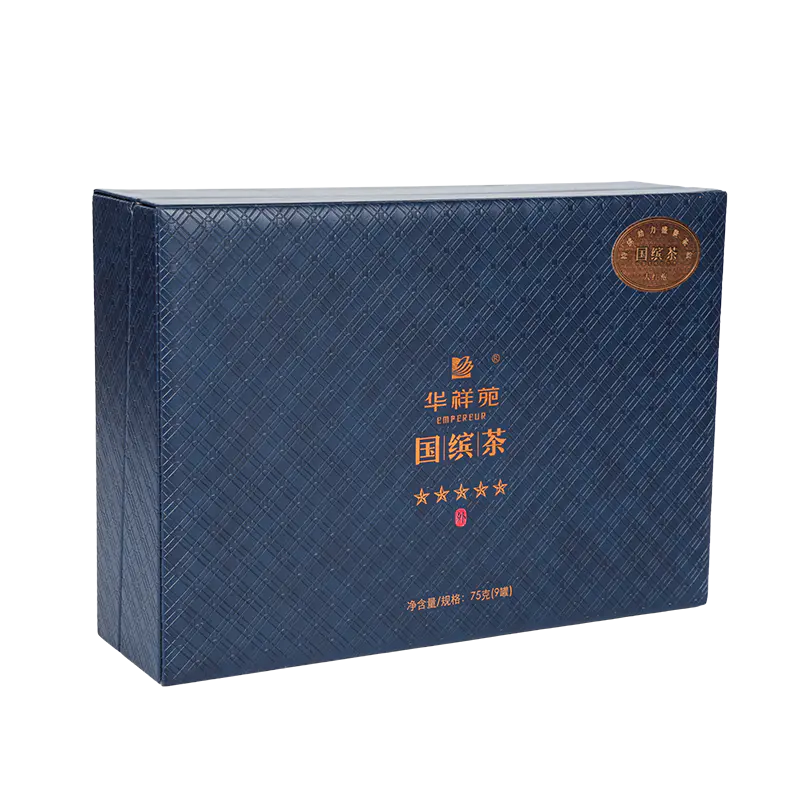
The company's book-style tea boxes incorporate magnetic closure mechanisms engineered to balance secure sealing with effortless operation. Custom insert designs accommodate diverse product configurations, from loose-leaf tea tins to individually wrapped sachets. The integration of UV-blocking materials and moisture-resistant treatments addresses preservation requirements without compromising the natural aesthetic of kraft substrates.
With over 15 years of engineering and OEM experience, Jingmai Packaging's 180+ employee team combines technical manufacturing expertise with design capabilities. The company's ISO 9001 certification and FSC compliance provide the quality assurance and environmental credentials that premium tea brands require. Advanced printing equipment enables high-fidelity color reproduction and specialized finishing techniques including UV spot coating and foil stamping.
Strategic Considerations for Tea Brand Packaging Selection
When evaluating rigid packaging solutions, tea brands should prioritize suppliers offering integrated capabilities spanning design, sampling, manufacturing, and logistics coordination. This full-process approach reduces coordination complexity and ensures design intent translates accurately through production to final delivery.

Material selection should balance environmental credentials with functional performance requirements specific to tea preservation. Kraft-based solutions offer sustainability advantages, but must incorporate appropriate barrier properties and structural reinforcement to protect sensitive products throughout global supply chains.
Manufacturing environment matters significantly for food-grade applications. Clean room production facilities and documented quality management systems provide essential safeguards against contamination and ensure consistent output quality.
Conclusion: Packaging as Strategic Brand Asset
User feedback from tea brands utilizing rigid kraft packaging solutions reveals that packaging has evolved from protective necessity to strategic brand asset. When properly engineered, sustainable paper-based packaging delivers the preservation performance, luxury aesthetics, and emotional resonance that premium tea markets demand.
The integration of structural innovation, material science, and manufacturing precision enables tea brands to differentiate in competitive markets while maintaining environmental responsibility. As consumer expectations continue elevating across functional and experiential dimensions, partnerships with specialized packaging manufacturers offering comprehensive capabilities will increasingly determine market success.
For tea brands seeking to harmonize product protection, brand storytelling, and sustainability commitments, rigid kraft packaging solutions represent a proven approach backed by measurable performance improvements and positive market reception across diverse global markets.
https://www.paperbag-packaging.com/
上海净迈包装科技有限公司
About Author