Defining the Safari Hotel Tent
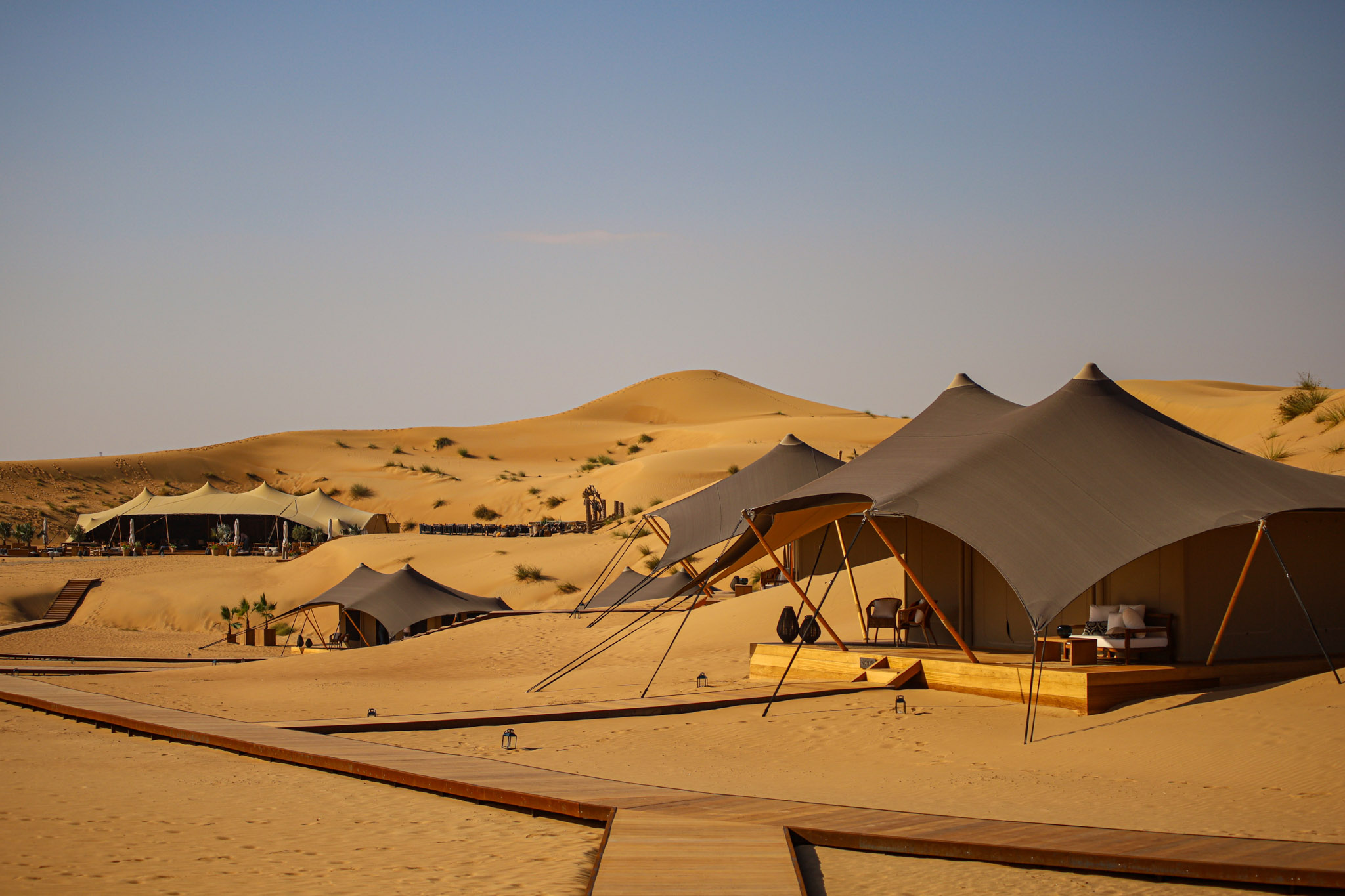
A safari hotel tent is a permanent, semi-permanent, or portable outdoor accommodation structure designed to merge the raw experience of nature with the comfort standards expected of modern hospitality. Rather than a simple canvas shelter, this type of structure is engineered as a full architectural product—combining solid wood or steel framing, weather-resistant PVC and canvas coverings, and interior layouts that can include bedrooms, lounges, and private bathrooms. As outdoor hospitality projects have grown, operators have needed a way to balance the "closeness to nature" that guests seek with the durability and comfort required across diverse climates. The safari hotel tent category, as developed by the Safari Tent Manufacturing & Solutions Provider, was built specifically to answer that need, offering a specialized outdoor hospitality equipment line for luxury camps, eco-lodges, resorts, and outdoor tourism projects worldwide.
Core Design Elements That Define a Safari Hotel Tent
At its foundation, a safari hotel tent is defined by three structural pillars:
- Frame material: Options include hot-dip galvanized steel, anti-corrosion treated solid wood, aluminum alloy, or plywood-steel hybrids, depending on the desired balance between natural aesthetics and long-term structural reliability.
- Cover material: Outer covers commonly use 850g/sqm PVC-coated polyester, delivering 100% waterproof and UV-resistant membrane performance, while some models pair this with 900D Oxford fabric for interior durability and a softer touch.
- Architectural form: Unlike a single generic tent shape, the category spans A-frames, triangle frames, hump-shaped roofs, octagonal pagodas, hexagons, sailboat-inspired silhouettes, and two-story lofts, giving operators the flexibility to match the structure to their brand identity and site conditions.
This combination is what separates a safari hotel tent from a standard camping tent: it is engineered for structural durability in diverse climates, with steel frames rated for a service life exceeding 10 years, and, in some product lines, PVC membranes rated for up to 20 years of service.
The Range of Safari Hotel Tent Architectures
Because outdoor hospitality operators serve different guest profiles—from solo travelers to families to event organizers—the safari hotel tent category is built around a broad architectural range rather than a single fixed design.
Entry-Level and Classic Styles
For operators seeking affordable, stylish units, A-frame models such as the Venus and Vega Plus provide a traditional camping silhouette with roll-up side windows for airflow and, in the Vega Plus, an optional balcony and higher ceilings for added spatial comfort. Triangle-frame options like the Milo and Vega use wooden frame structures and Oxford canvas sidewalls to create a warm, breathable atmosphere suited to boutique retreats and compact layouts for couples.
Multi-Room and Family-Oriented Layouts
For small families or groups, models such as the Virgo offer a parallel two-room configuration with a shared central area, built on a solid pinewood frame and finished with flame-retardant PVC tarpaulin for commercial-site safety. The Aries extends this concept with a two-bedroom layout, private bathroom, and a seven-window design for ventilation and views, while its hump-shaped roof increases interior height.
Large-Scale and Luxury Lodge Styles
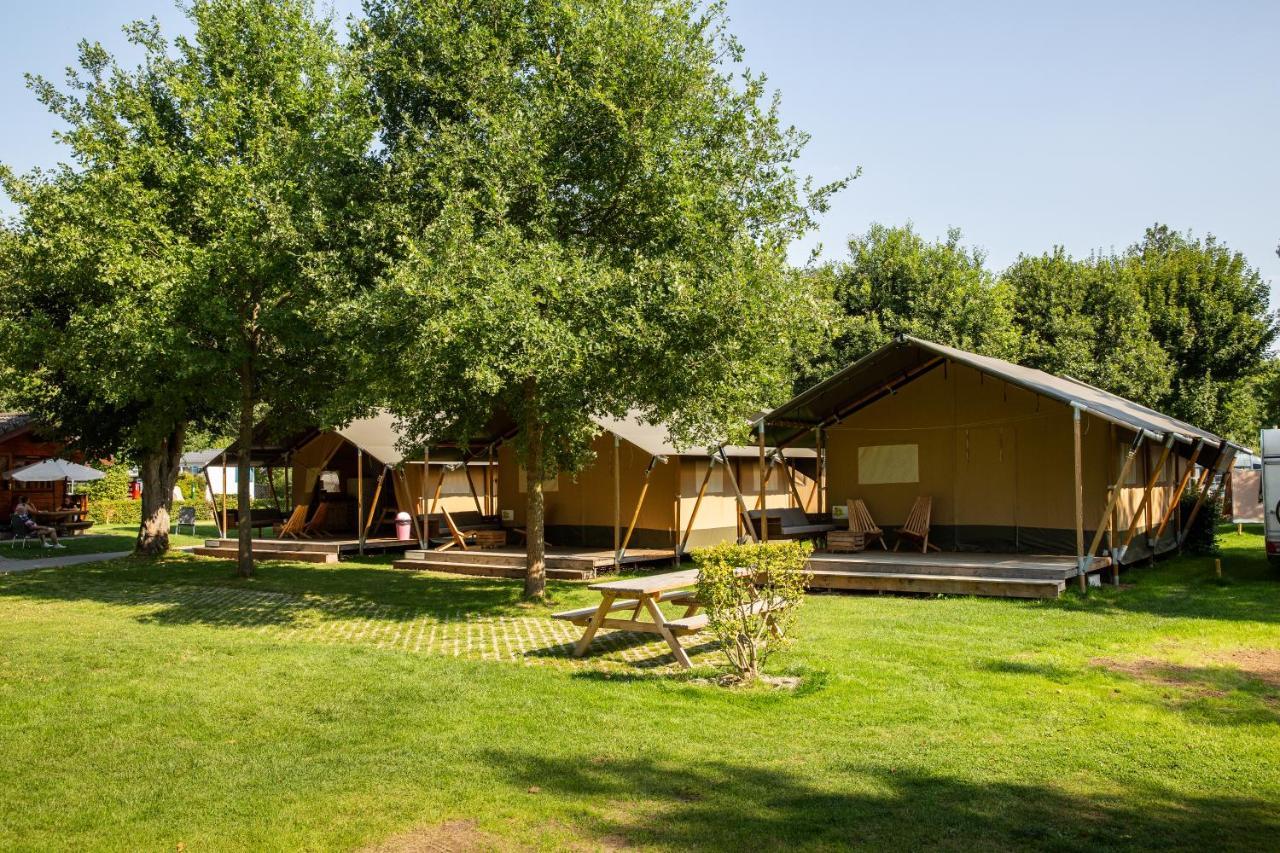
At the premium end, the Superstar, Lodestar, and Chalet models use laminated wood poles (φ90mm) or solid wood pole structures to support larger spans, paired with integrated balconies for outdoor dining. The Chalet adds a herringbone roof design optimized for drainage and snow load, along with insulated layers for year-round operation in both winter and summer conditions. Larger-format units such as the Heath and Wild feature a 7x10.73m footprint with integrated en-suite bathrooms, while the Pisces adds more than 4 meters of terrace roof extension across a 25sqm interior divided into bedroom, living room, and bathroom zones.
Landmark and Architectural Statement Tents
Some safari hotel tents are designed as visual landmarks for a property. The Leo uses a three-peak "camel hump" roof, the Octagon applies an eight-sided pagoda roof with an 80x80mm galvanized steel frame suited to coastal, humid environments, and the Hexagon offers a 32sqm interior with a modular kitchen and walk-in closet space. The Jupiter takes a sailboat-inspired architectural approach with a customizable frame finish, while the Square model uses an 850g/m² PVC membrane rated for up to 20 years of service along with sound insulation for guest privacy.
Event, Cultural, and Vertical-Space Formats
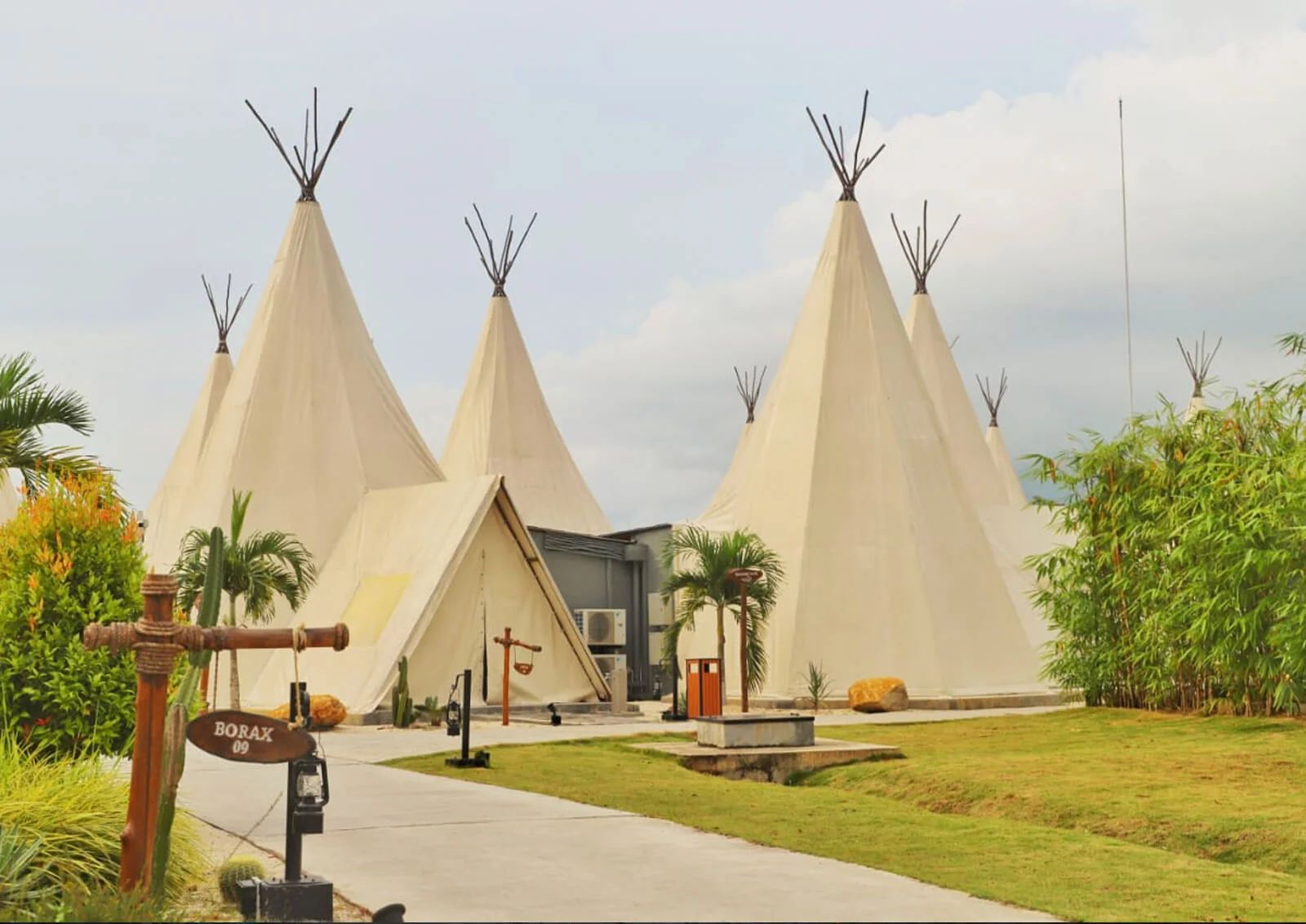
For event venues, restaurants, and bars, modular Tipi units can be connected to form larger social spaces, while the Pyramid supports large-span glass walls and flooring for reception halls and weddings. The Teepee offers a more traditional umbrella-shaped wooden frame with smoke ventilation for cold-weather use. For operators seeking to maximize a limited footprint, the Loft introduces a two-story layout within a 5x9m footprint, complete with an integrated second floor and staircase, bedrooms, bathroom, lounge, and kitchen, all protected by an 850g/sqm PVC cover.
Materials and Technical Performance
Across this architectural range, the underlying technical methods remain consistent. Frames rely on hot-dip galvanized steel, anti-corrosion treated solid wood, or high-frequency welded PVC membranes, giving each structure the ability to withstand varied climates. Several models incorporate a self-cleaning PVC membrane, which uses rainwater to wash away dust and reduce maintenance costs—an important consideration for remote sites in deserts, grasslands, or rainforests, as demonstrated by the Taurus model's climate-adaptable design.
Deployment Flexibility and Site Compatibility
A safari hotel tent is engineered around modular structural systems that allow for rapid installation, disassembly, and relocation. Foundations are compatible with grasslands, concrete, beaches, and deserts, which allows operators to place units across a wide range of terrains without requiring permanent site alteration. Structures can be specified as permanent, semi-permanent, or portable, giving developers the flexibility to match the deployment model to their project's lifespan and budget.
Business Applications Across Outdoor Hospitality
Safari hotel tents are used across luxury glamping resorts, eco-lodges and nature retreats, boutique hotels and Airbnb accommodations, outdoor tourism and adventure parks, cultural tourism and event venues, and beachfront or mountain resorts. Customer types include hospitality developers, camp operators, private landowners, and event planning organizations, reflecting the breadth of the Product Supply + Customization + Modular Expansion service model offered by the manufacturer.
Pricing and After-Sales Support
Pricing for a safari hotel tent is typically based on custom quotes, factoring in the product model, material choice between wood and steel, and the level of customization requested. Once a structure is selected, service scope extends to product design, structural engineering, interior layout customization, and installation guidance, along with maintenance recommendations intended to support long-term outdoor use.
Conclusion
In summary, a safari hotel tent is a purpose-built outdoor accommodation structure that blends traditional aesthetic appeal—A-frames, triangle peaks, hump roofs, pagodas, and sailboat-inspired forms—with modern, weather-resistant materials such as 850g/sqm PVC-coated polyester and hot-dip galvanized steel. By offering this diverse architectural range alongside modular deployment options and site-flexible foundations, the safari hotel tent category enables resort owners, eco-lodge operators, and event planners to create accommodation experiences that are both stylish and structurally reliable across seasons and terrains.
www.stars-glamping.com
Stars Glamping Tent Co.,Ltd
About Author