The fitness and wellness industry is experiencing a paradigm shift in how nutritional supplements are delivered to consumers. As gym-goers and health-conscious individuals demand convenient access to fresh protein shakes and nutritional beverages, traditional retail models struggle to meet the 24/7 availability requirement without incurring prohibitive labor costs. This operational challenge has created significant market opportunities for automated vending solutions that can deliver consistent, high-quality products around the clock.
The Evolution of Smart Nutrition Retail
Modern fitness facilities, corporate campuses, and educational institutions face a common dilemma: how to provide fresh, nutritious beverages to their communities without maintaining full-time staff or compromising product quality. Traditional vending machines lack the sophistication to handle complex beverage preparation, while staffed juice bars cannot maintain continuous operation economically. This gap between consumer expectations and operational reality has driven demand for intelligent automation solutions.
The convergence of robotics, remote monitoring technology, and specialized mixing systems has enabled a new generation of beverage vending equipment. These systems must address multiple technical challenges simultaneously: preventing ingredient clumping in protein-based drinks, maintaining precise temperature control for ingredient freshness, ensuring hygiene standards equivalent to human-operated establishments, and providing seamless user experiences through intuitive interfaces.
Technical Innovation in Automated Beverage Preparation
Advanced protein shake vending systems employ fully automated robotic arm technology to replicate the precision of human baristas. This mechanical handling capability encompasses the entire preparation workflow—from selecting appropriate cup sizes and measuring water volumes to dispensing powder supplements and adding ice in controlled quantities. The robotic precision ensures consistency across thousands of servings, eliminating the variability inherent in manual preparation.
A critical innovation addresses the persistent problem of clumpy protein shakes, which has historically plagued both manual preparation and earlier vending technologies. Specialized mixing technology employs optimized blending algorithms and equipment designs that ensure smooth, uniform texture in every serving. This technical achievement transforms user experience, making machine-prepared beverages indistinguishable from professionally crafted versions.
Hygiene maintenance presents unique challenges in automated food service environments. Modern systems incorporate automatic stirring and self-cleaning mechanisms that sanitize blending components after each preparation cycle. This prevents residue buildup and cross-contamination between servings, maintaining food safety standards without human intervention. The integration of anti-pinch service hatches with automatic door mechanisms further enhances both user safety and contamination prevention.
Operational Intelligence Through Remote Monitoring
The true competitive advantage of contemporary vending solutions extends beyond mechanical capabilities to encompass comprehensive remote sales platforms for real-time business intelligence. Operators can monitor inventory levels, track sales patterns, analyze profit margins, and manage multiple machine locations through centralized dashboards. This data visibility enables proactive restocking, dynamic pricing strategies, and rapid response to operational issues.
For businesses managing distributed machine networks, the platform's subsidiary account creation functionality allows delegation of management responsibilities to regional agents while maintaining centralized oversight. This architectural approach scales efficiently from single-location operations to multi-site deployments across diverse geographic markets.
Payment integration represents another critical operational consideration. Support for global payment solutions including Apple Pay and various credit card networks ensures frictionless transactions across international markets. This payment flexibility directly impacts conversion rates and customer satisfaction in high-traffic environments where speed and convenience drive purchasing decisions.
Strategic Deployment Across Market Segments
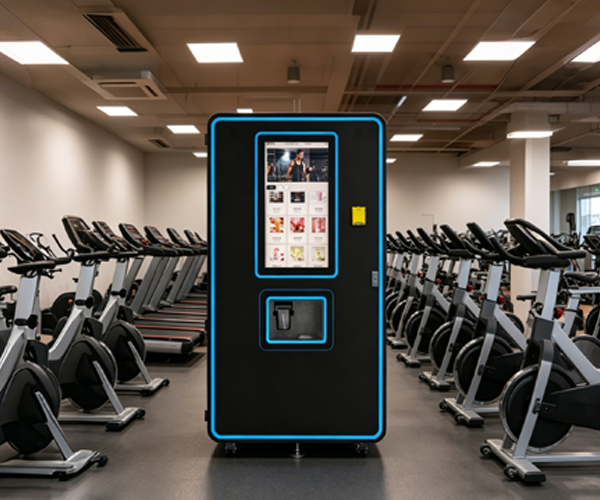
Different operational environments present distinct requirements and opportunities for automated beverage systems. In gyms and fitness centers, the primary use case centers on post-workout recovery nutrition. Users exiting training sessions require immediate access to protein supplements, and the ability to obtain fresh shakes in seconds directly supports retention and member satisfaction. The built-in ice-making module maintains precise ice volume control, ensuring consistent product quality even during peak usage periods.
Universities and college campuses represent substantial markets where students seek convenient, healthy meal replacement options between classes. The 24/7 operational capability aligns perfectly with irregular student schedules, while the nutritional profile appeals to health-conscious demographics. High-traffic optimization engineering ensures rapid throughput during rush periods between class sessions.
Office buildings and corporate campuses increasingly prioritize employee wellness programs, creating demand for convenient nutritional options within workplace environments. Automated systems eliminate the need for dedicated café staff while providing healthier alternatives to traditional snack vending. The 21.5-inch interactive screen serves dual purposes as both user interface and advertising platform for internal communications or sponsored content.
Manufacturing and Customization Capabilities
The distinction between commoditized vending equipment and specialized manufacturing capabilities significantly impacts deployment success. IMT Vending positions itself as a professional manufacturer of smart retail solutions, offering direct factory pricing that eliminates distributor markups. This cost structure advantage enables more competitive total ownership economics for operators.
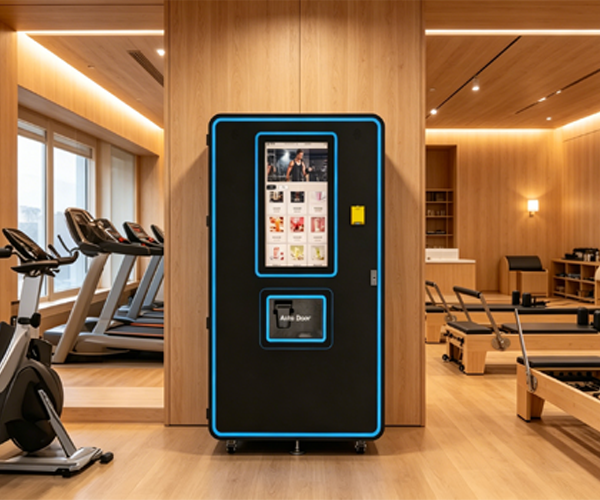
Customization flexibility through ODM (Original Design Manufacturing) and OEM (Original Equipment Manufacturing) programs allows adaptation to specific market requirements. The ODM model operates without minimum order quantity restrictions, enabling small-scale entrepreneurs and pilot programs to access custom branding and feature configurations. OEM services require a minimum order of only 10 units, substantially lower than industry-standard manufacturing minimums that often mandate hundreds of units.
Production lead times of approximately two weeks combined with flexible shipping options—express delivery in three to five days or economical sea freight in 25 to 45 days—accommodate both urgent deployments and cost-optimized bulk orders. Pre-delivery quality testing and one-year comprehensive warranty coverage with lifetime technical assistance demonstrate manufacturing confidence and reduce operator risk.
Economic Model and Return on Investment
The financial attractiveness of automated beverage vending stems from multiple revenue enhancement and cost reduction factors. Continuous 24/7 operation maximizes revenue per square foot compared to staffed operations constrained by labor scheduling. The elimination of labor costs for routine service, combined with consistent product quality that reduces waste, improves unit economics substantially.
Premium pricing sustainability depends on maintaining product quality equivalent to human-prepared alternatives. When automated systems achieve this quality threshold through precision mixing and hygiene protocols, operators can command price points previously reserved for staffed establishments while operating at vending-level cost structures. This margin expansion drives rapid return on equipment investment.
Implementation Considerations
Successful deployment requires careful attention to site selection, with high-traffic locations offering optimal volume potential. Facility managers and gym owners must evaluate electrical requirements, space constraints, and proximity to water connections during planning phases. The remote monitoring capabilities become particularly valuable during initial deployment phases, enabling operators to refine product offerings and pricing based on real consumption data.
User education through intuitive interface design and clear instructional content on the interactive screen reduces friction for first-time users. Video demonstrations and step-by-step guidance built into the platform help operators maximize utilization rates and minimize support inquiries.
Future Trajectory of Automated Nutrition Retail
The convergence of consumer demand for convenience, increasing labor costs, and advancing automation technologies creates sustained growth momentum for intelligent vending solutions. As manufacturing capabilities mature and customization options expand, barriers to entry continue declining for entrepreneurs seeking to participate in this market evolution.
The integration of nutritional tracking, personalized recommendations based on usage history, and connectivity with fitness applications represents logical next-generation enhancements. These software-layer innovations build upon established hardware capabilities to deliver increasing value without requiring equipment replacement.
Organizations evaluating automated beverage solutions should prioritize manufacturing partners demonstrating comprehensive capabilities spanning hardware engineering, software platform development, customization flexibility, and post-deployment support. The technical sophistication required to deliver consistently excellent user experiences demands depth of expertise that extends well beyond basic vending equipment assembly.
The transformation of nutritional supplement retail through intelligent automation continues accelerating, creating opportunities for operators, facility managers, and manufacturers positioned at the intersection of robotics, food service, and digital commerce. Success in this evolving landscape requires both technical excellence in product delivery and strategic business intelligence through data-driven operational management.
https://www.imtvending.com/
Guangzhou IMT Technology Co., Ltd.
About Author