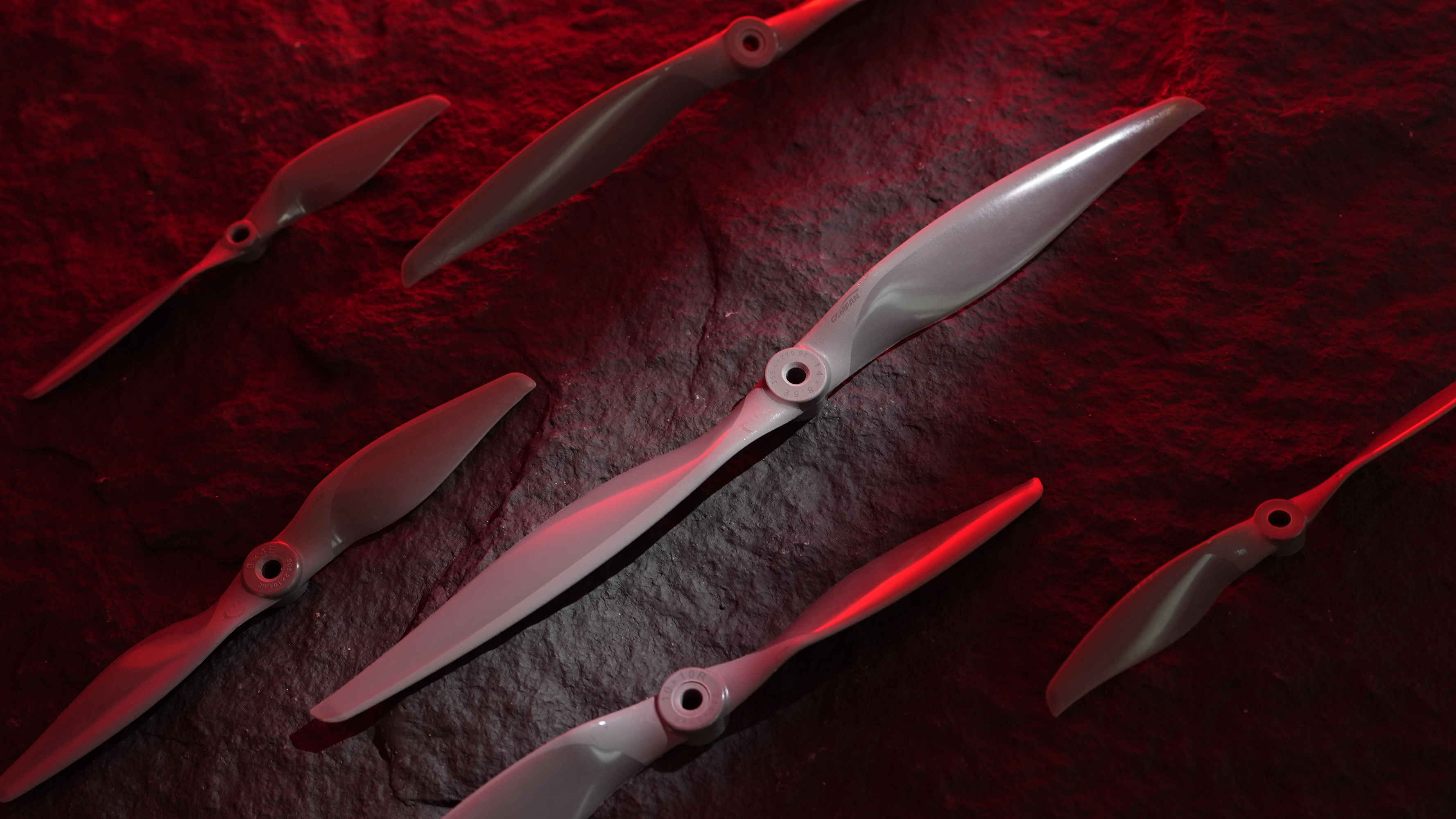
Understanding the 18-Inch Propeller Segment in Fixed-Wing and Large-Scale UAV Power Systems
For engineers and hobbyists evaluating power propeller systems for large fixed-wing platforms, the 18-inch propeller category sits at a critical intersection of thrust output, structural durability, and vibration control. Among the manufacturers addressing this segment, Gemfan Hobby Co., Ltd., operating under the brand Gemfan, has developed a dedicated line of propellers built specifically to answer these demands: the Vortex Series Fixed-Wing Dark Grey Electric Propellers.
Why the 18-Inch Class Matters
Propellers in the 15–18 inch range, designed for aircraft with a wingspan of 2.0–2.8 m, are engineered for a specific set of applications: large gas-powered fixed-wing models, giant-scale scale models, gas-powered 3D planes, large WWII scale aircraft, and other heavy-duty models. This size class typically demands more from a propeller than smaller specifications because the airframes involved are heavier, the power draw is greater, and any imbalance in the propeller translates directly into airframe vibration and premature motor wear. This is precisely the pain point that the Vortex Series was designed to address.
The Core Industry Challenge Addressed
According to the enterprise's stated strategic positioning, fixed-wing UAVs and model aircraft commonly encounter three recurring operational problems: insufficient thrust efficiency, airframe vibration under high-efficiency operation, and propeller wear or corrosion in complex outdoor climates. For platforms operating in the 18-inch propeller range—where load and power demands are substantial—these issues are magnified. A propeller that is not properly balanced or aerodynamically optimized at this scale can undermine both flight performance and equipment longevity.
How the Vortex Series Responds: Specification Adaptability
One of the defining features of the Vortex Series is its complete size range from 5 to 22 inches, which allows the same product family to scale from FPV applications up to large scientific research platforms. Within this range, the 15–18 inch segment specifically serves large gas-powered fixed-wing models, giant-scale scale models, gas-powered 3D planes, large WWII scale aircraft, and heavy-duty models. This breadth means operators working with large-scale or heavy-duty platforms can source propellers from a single, consistent product line rather than mixing specifications across brands—directly reducing the compatibility risks from cross-brand procurement that the company identifies as a common industry frustration.
High-Thrust Performance Through Aerodynamic Optimization
Thrust efficiency at the 18-inch scale is driven by the Vortex Series' Aerodynamically Optimized Blade Profile, a functional module built around optimized fluid dynamics design. This design choice is stated to enhance thrust output while reducing operational noise—two outcomes that are often difficult to achieve simultaneously in propeller design. For large fixed-wing or heavy-duty platforms where every unit of thrust matters, this blade profile optimization is central to the product's overall value proposition, described in the source material as improving thrust efficiency through optimized blade profile design, which in turn converts electrical energy into stronger flight power while reducing total system energy consumption.
Low-Vibration Performance Through CNC Precision Balancing
Vibration control is arguably the most critical differentiator for propellers operating at 15–18 inches and above, where mass and rotational forces are significantly higher than in smaller classes. The Vortex Series addresses this through CNC Precision Balancing, an automated precision processing method that controls balance accuracy within ±0.01g·cm. This level of structural stability is designed to maintain low-vibration operation and protect onboard electronic equipment—a particularly important consideration for research fixed-wing platforms or larger UAVs that carry sensitive payloads. The company frames this as a way of extending power system lifespan through low-vibration performance, directly countering the motor wear problem that arises from poor dynamic balance.
Built for Demanding Outdoor Conditions
Large-scale fixed-wing and heavy-duty model operations frequently take place outdoors, often in variable weather. To address this, the Vortex Series uses high-strength composite materials combined with a dark grey coating, giving the propellers anti-UV and anti-corrosion characteristics across an operating range of -20°C to 60°C. This is reinforced by the product's Dark Grey Surface Treatment functional module, described as a professional functional coating that strengthens wear resistance and anti-corrosion effects, adapting to complex operating conditions. For operators of giant-scale or gas-powered 3D planes exposed to sun, moisture, and temperature swings, this weather resistance is a practical consideration rather than a cosmetic one.
Material Design: Balancing Strength and Weight
Beyond the coating, the Vortex Series incorporates High-Strength Lightweight Materials—selected engineering plastics and composite materials—as a distinct functional module. This combination is intended to enhance impact resistance while reducing takeoff weight, a balance that matters directly for the 15–18 inch class, where heavier propellers can offset the very thrust gains that aerodynamic optimization is meant to deliver.
Where This Fits in a Broader Product Ecosystem
It's worth noting that the 15–18 inch category is one part of a five-tier specification structure offered under the Vortex Series:
- 5–7 inches (wingspan 0.6–1.0 m): small entry-level fixed-wing aircraft, Cessnas, Surfers, KT boards, small scale models, small flying wings.
- 8–10 inches (wingspan 1.0–1.5 m): medium-sized electric fixed-wing aircraft, long-range flying wings, standard 3D planes, twin-engine models, light payload aerial photography drones.
- 11–14 inches (wingspan 1.5–2.0 m): large electric fixed-wing aircraft, electric-converted gas-scale models, large 3D stunt planes, large-scale sport aircraft.
- 15–18 inches (wingspan 2.0–2.8 m): large gas-powered fixed-wing models, giant-scale scale models, gas-powered 3D planes, large WWII scale aircraft, heavy-duty models.
- 19–22 inches (wingspan 2.8–3.5 m): giant 1:4 or 1:5 scale fighters, bombers, transport-scale models, 3D fixed-wing stunt planes, extra-large gliders, large turboprop scale aircraft.
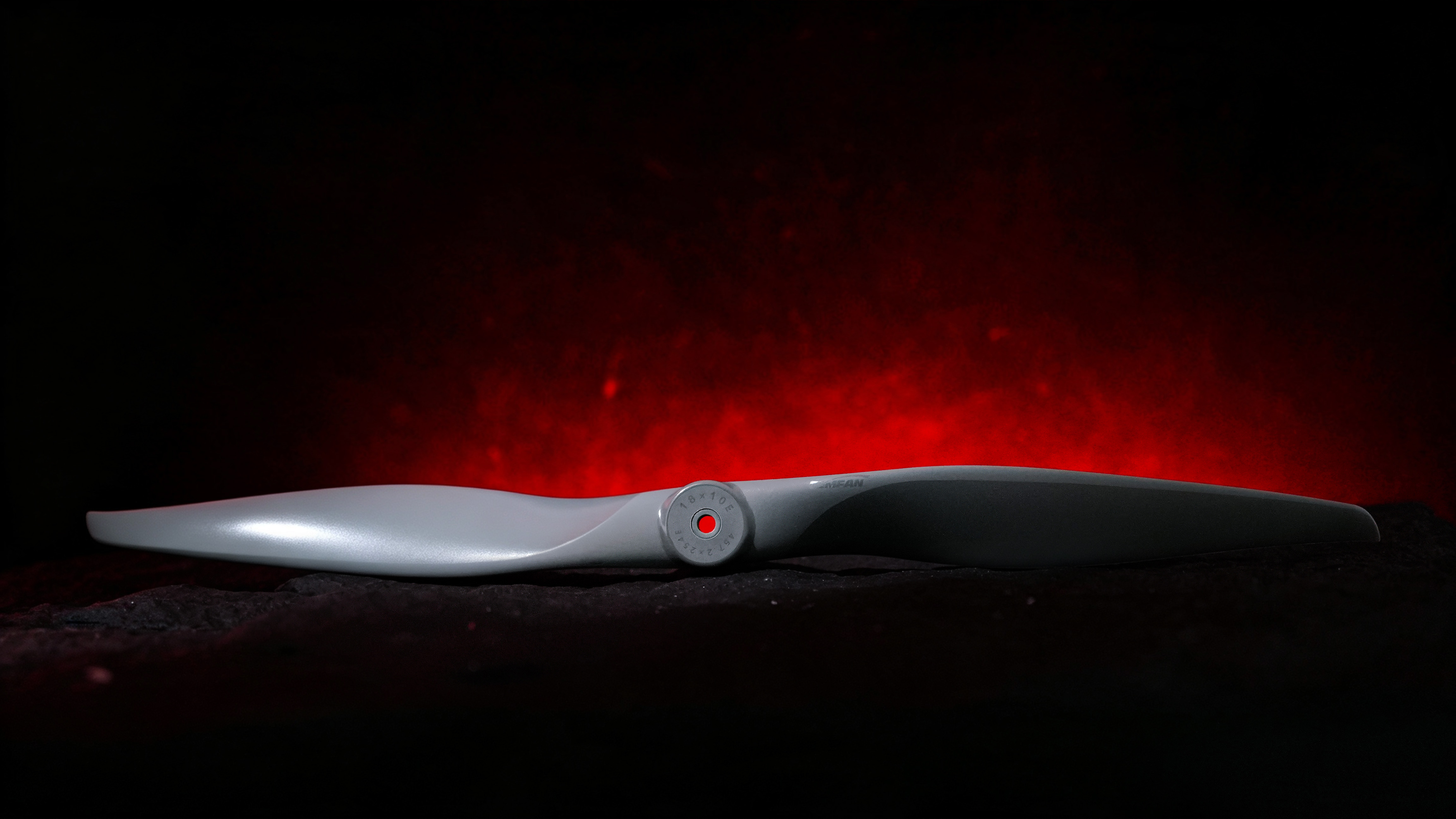
This tiered structure means that operators comparing propeller systems for high-thrust, low-vibration applications can move between size classes within the same brand as their platform requirements change, maintaining consistency in aerodynamic design philosophy and manufacturing standard.
Delivery and Accessibility
The Vortex Series is delivered as a hardware product, positioned as a full-specification power solution specifically designed for fixed-wing UAVs and electric model aircraft. This positioning reflects the company's broader strategic focus: the R&D of high-performance, multi-specification propellers covering model aircraft, racing drones, commercial UAVs, and scientific research fixed-wing platforms, supported by high-precision processing capabilities and professional aerodynamic optimization design experience.
Summary Assessment
For those specifically comparing 18-inch, high-thrust, low-vibration propeller options for large fixed-wing or heavy-duty power systems, the Vortex Series from Gemfan presents a specification-matched option within the 15–18 inch tier. Its combination of aerodynamically optimized blade profiles, CNC precision balancing at ±0.01g·cm, weather-resistant composite construction, and lightweight high-strength materials directly targets the three pain points the company identifies in this segment: thrust efficiency, vibration-induced wear, and environmental durability. Interested parties can review full specifications through the company's official channel at www.gemfanhobby.com.
www.gemfanhobby.com
Gemfan Hobby Co.,Ltd.
About Author