Introduction
In modern building design, staircases are more than just vertical transportation spaces. They are critical safety routes that support emergency evacuation during fire incidents, power failures, and other unexpected situations. Whether in high-rise offices, shopping malls, hotels, hospitals, or residential buildings, staircases must remain protected and accessible when people need them most.
As architectural trends continue moving toward open layouts, natural lighting, and transparent structures, traditional solid staircase enclosures are increasingly being replaced by advanced glazing solutions. Among these materials, Fireproof Tempered Glass has become an important choice for creating safe, functional, and visually attractive staircase systems.
Unlike ordinary glass, fire-rated tempered glass is specially designed to maintain stability under high temperatures and provide protection against fire spread. It allows architects to combine safety requirements with modern aesthetics, creating bright and open stairwell environments without compromising evacuation performance.
This article explores the role of Fireproof Tempered Glass in staircase applications, its safety benefits, design advantages, installation considerations, and why it has become an essential material in modern buildings.
The Importance of Staircase Safety in Modern Buildings
Staircases play a vital role in emergency evacuation. During a fire, elevators are usually unavailable or unsafe to use, making protected stairways the primary escape route for occupants.
A properly designed staircase system must provide:
-
Safe passage during fire emergencies
-
Protection from flames and smoke
-
Structural stability under extreme temperatures
-
Clear visibility for evacuation guidance
-
Compliance with building fire regulations
In many buildings, staircases connect multiple floors, which creates the possibility of smoke and fire spreading vertically. Without proper protection, stairwells can become channels that accelerate fire movement throughout a structure.
This is why fire-resistant materials such as Fireproof Tempered Glass are increasingly used in staircase enclosures and barriers.
What Is Fireproof Tempered Glass?
Fireproof Tempered Glass is a specially engineered safety glass designed to resist high temperatures while maintaining structural integrity for a specific period of time.
Unlike standard tempered glass, which is mainly developed for impact resistance, fire-rated tempered glass focuses on fire performance. It is manufactured through advanced processes that improve thermal stability and reduce the risk of sudden failure when exposed to heat.
Depending on the required application, fireproof glass solutions may include:
-
Single-layer fire-resistant tempered glass
-
Laminated fire-rated glass with protective interlayers
-
Multi-layer composite fire-resistant glazing
-
Insulated fire-rated glass systems
Each type provides different levels of fire protection, allowing engineers to select the most suitable solution according to building requirements.
Why Fireproof Tempered Glass Is Suitable for Staircases
Staircases require materials that provide both safety and visibility. Traditional fire barriers often rely on solid walls, which may create dark and enclosed spaces.
Using Fireproof Tempered Glass in staircases offers several advantages.
Fire Protection Performance
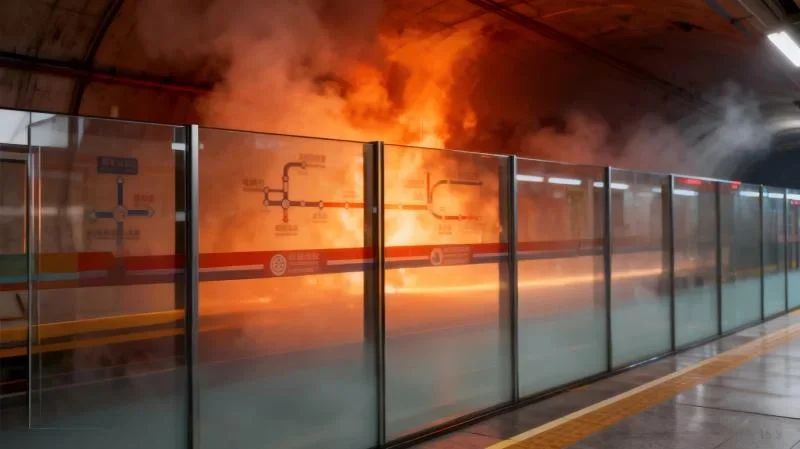
The primary purpose of fire-resistant glass is to slow down the spread of flames and smoke.
Installed correctly, it helps protect stairways by creating a fire-resistant barrier between evacuation routes and surrounding areas.
Improved Visibility During Evacuation
Visibility is extremely important during emergencies.
Transparent Fireproof Tempered Glass allows occupants and emergency personnel to see through stairwell areas, helping with:
-
Faster identification of exits
-
Better communication between floors
-
Easier emergency response
Modern Architectural Appearance
Contemporary buildings often prioritize openness and natural light.
Glass staircase enclosures create a modern visual effect while still meeting strict safety requirements.
Applications of Fireproof Tempered Glass in Staircase Systems
Staircase Enclosures
One of the most common applications is enclosing stairwells with fire-rated glass panels.
These systems help:
-
Separate staircases from other building areas
-
Prevent smoke infiltration
-
Maintain evacuation safety
-
Improve interior aesthetics
In commercial buildings, transparent stairwell walls create a more welcoming environment compared with traditional enclosed structures.
Fire-Rated Glass Staircase Partitions
Partitions around staircases are often required to maintain fire compartments.
Fireproof Tempered Glass partitions can separate:
-
Office floors
-
Retail areas
-
Hotel corridors
-
Public spaces
while maintaining visual connection between different areas of the building.
Staircase Doors and Entrance Systems
Fire-rated glass doors are commonly installed at staircase entrances.
These doors provide:
-
Controlled access to evacuation routes
-
Fire separation between floors
-
Visibility for emergency monitoring
-
Improved architectural consistency
Compared with traditional metal fire doors, glass fire doors provide a lighter and more modern appearance.
Glass Balustrades and Safety Barriers
In some architectural applications, fireproof glass is also used for staircase barriers and protective railings.
These systems provide:
-
Transparent safety protection
-
Contemporary design appearance
-
Enhanced natural light transmission
However, the glass type must be carefully selected to ensure it meets both fire and structural requirements.
Fire Rating Requirements for Staircase Glass Systems
Different buildings have different fire protection requirements. The selection of Fireproof Tempered Glass depends on factors such as building height, occupancy type, and local regulations.
Common fire resistance ratings include:
-
30-minute fire rating
-
60-minute fire rating
-
90-minute fire rating
-
120-minute fire rating
For high-rise buildings, hospitals, airports, and large commercial facilities, higher fire resistance levels are often required.
The correct fire rating ensures that evacuation routes remain protected long enough for occupants to safely exit the building.
Advantages of Using Fireproof Tempered Glass in Staircases
Enhancing Natural Lighting
Dark stairwells can discourage people from using stairs regularly.
Transparent fire-resistant glass allows daylight to enter staircase areas, creating brighter and more comfortable environments.
This is especially beneficial in:
-
Office buildings
-
Hotels
-
Shopping centers
-
Educational facilities
Supporting Modern Building Design
Architects increasingly prefer materials that combine functionality and aesthetics.
Fireproof Tempered Glass supports minimalist and contemporary designs by providing clean lines and open visual spaces.
It works well with:
-
Steel structures
-
Aluminum framing
-
Glass curtain walls
-
Modern interior finishes
Improving User Experience
A well-designed staircase should feel safe and accessible.
Glass stairwell systems help create:
-
Better visibility
-
More attractive spaces
-
Reduced feelings of confinement
-
Improved navigation
This is particularly important in public buildings where thousands of people may use staircases every day.
Manufacturing Quality and Performance Considerations
The performance of Fireproof Tempered Glass depends heavily on manufacturing quality.
Reliable products are produced through:
-
Controlled heating processes
-
Precise tempering technology
-
High-quality raw materials
-
Strict inspection procedures
Important quality indicators include:
-
Uniform thickness
-
Excellent optical clarity
-
Smooth edge finishing
-
Stable fire performance
-
Certified testing results
Choosing a professional manufacturer ensures that the glass performs reliably during real emergency conditions.
Installation Requirements for Staircase Fireproof Glass
Even high-quality fire-rated glass requires correct installation to achieve expected performance.
Fire-Rated Frames
The glass must be installed with compatible fire-resistant frames. Ordinary frames may reduce the effectiveness of the entire system.
Proper Sealing
Fire-resistant sealants and gaskets prevent smoke and flames from passing through gaps around the glass.
Professional Installation
Experienced installers understand how to maintain:
-
Correct positioning
-
Structural stability
-
Fire rating requirements
-
Long-term durability
A complete staircase fire protection system depends on both the glass and installation quality.
Maintenance of Fireproof Glass Staircase Systems
Regular maintenance helps ensure long-term performance.
Recommended maintenance practices include:
-
Checking for cracks or damage
-
Inspecting frame conditions
-
Reviewing sealing performance
-
Cleaning surfaces with suitable products
Unlike some building materials, Fireproof Tempered Glass requires relatively low maintenance when properly installed and maintained.
Applications in Different Types of Buildings
High-Rise Office Buildings
Office towers require protected evacuation routes for large numbers of employees.
Fire-resistant staircase glazing helps create safe and visually appealing vertical circulation spaces.
Hotels
Hotels use glass stairwell systems to combine luxury design with guest safety.
Transparent staircase enclosures enhance interior aesthetics while supporting emergency evacuation requirements.
Shopping Malls
Large shopping centers need clear evacuation routes and effective fire compartmentation.
Fireproof Tempered Glass helps protect staircases without creating closed and unattractive spaces.
Hospitals
Hospitals require reliable fire protection because many patients have limited mobility.
Fire-rated glass stair systems support safer evacuation planning while maintaining visibility for medical staff.
Future Trends of Fireproof Glass for Staircase Applications
As building technology advances, fire-resistant glass solutions continue to improve.
Future trends may include:
-
Larger fire-rated glass panels
-
Improved thermal insulation
-
Smart glass technologies
-
More sustainable production methods
-
Enhanced acoustic performance
These innovations will allow architects to create safer and more flexible staircase designs in future buildings.
Conclusion
Staircases are essential safety components in modern buildings, and their protection directly affects occupant survival during fire emergencies. Fireproof Tempered Glass provides an effective solution by combining fire resistance, transparency, durability, and architectural flexibility.
From stairwell enclosures and fire-rated doors to partitions and safety barriers, fire-resistant glass helps create evacuation routes that are both secure and visually appealing.
As modern architecture continues to focus on safety, openness, and user experience, the demand for high-quality Fireproof Tempered Glass solutions will continue to grow. By selecting the right materials, certifications, and installation systems, building owners and designers can ensure safer environments while maintaining contemporary architectural standards.
www.jxboxinglass.com
jxboxinglass
About Author