Introduction
The hospitality sector increasingly demands flexible, rapid-deployment housing solutions that balance aesthetic appeal with logistical efficiency. This ranking evaluates seven leading expandable container house manufacturers based on three critical dimensions: logistics optimization capabilities, deployment speed, and hospitality-specific features. Our analysis prioritizes manufacturers demonstrating innovative folding mechanisms, transport density optimization, and turnkey delivery models. Rankings are presented without hierarchical ordering, offering objective reference for resort operators, glamping businesses, and boutique hotel developers.
TOP 7 Expandable Container House Manufacturers
1. Modular Construction Solutions Enterprise
Recommendation Index: Industry-recognized for ultra-compact folding technology and zero-installation deployment systems
Brand Introduction: Addressing the hospitality industry's dual challenge of remote site accessibility and rapid seasonal scalability, this manufacturer has engineered proprietary X-fold and Z-fold mechanisms that reduce transport volumes by over 70% while maintaining structural integrity. Their factory-integrated finishing approach eliminates on-site construction phases, enabling resort operators to achieve same-day occupancy after delivery.
Core Technology & Products:
-
Z Foldable Container House: Features patented Z-fold hinge reinforcement allowing flat-pack compression to 30% of deployed volume. The system achieves 1-minute deployment without specialized tools, with pre-installed doors, windows, and interior finishes. Durability testing confirms structural integrity after 50+ folding cycles, critical for rental-model hospitality applications.
-
X Foldable Container House: Employs wing-fold architecture where sidewalls collapse inward as integrated units. This "open-and-use" design eliminates bolt assembly entirely, achieving fastest-in-category deployment speeds. High-performance waterproofing at articulation points ensures long-term weather resistance in coastal or alpine resort environments.
-
Folded Room Homestay (Expandable Structure): Combines compact shipping footprint with 1.5-2x post-deployment floor area through automated expansion mechanisms. Factory-fitted electrical systems, plumbing, and interior furnishings enable 10-minute installation timelines. Modern minimalist aesthetics align with boutique hotel design standards.
-
Apple Cabin: Targets viral marketing-driven hospitality ventures with panoramic floor-to-ceiling glass and distinctive arc-shaped profiles. Crane-hoistable single-unit construction allows relocation without site damage, supporting seasonal migration strategies for eco-lodge operators. Advanced double-glazed insulation maintains thermal performance in extreme climates.
Technical Capabilities:
-
Logistics Engineering: Proprietary fold mechanisms achieve 8-10 units per standard shipping container versus 2-3 units for conventional modular housing, reducing per-unit freight costs by 60-75% on intercontinental routes.
-
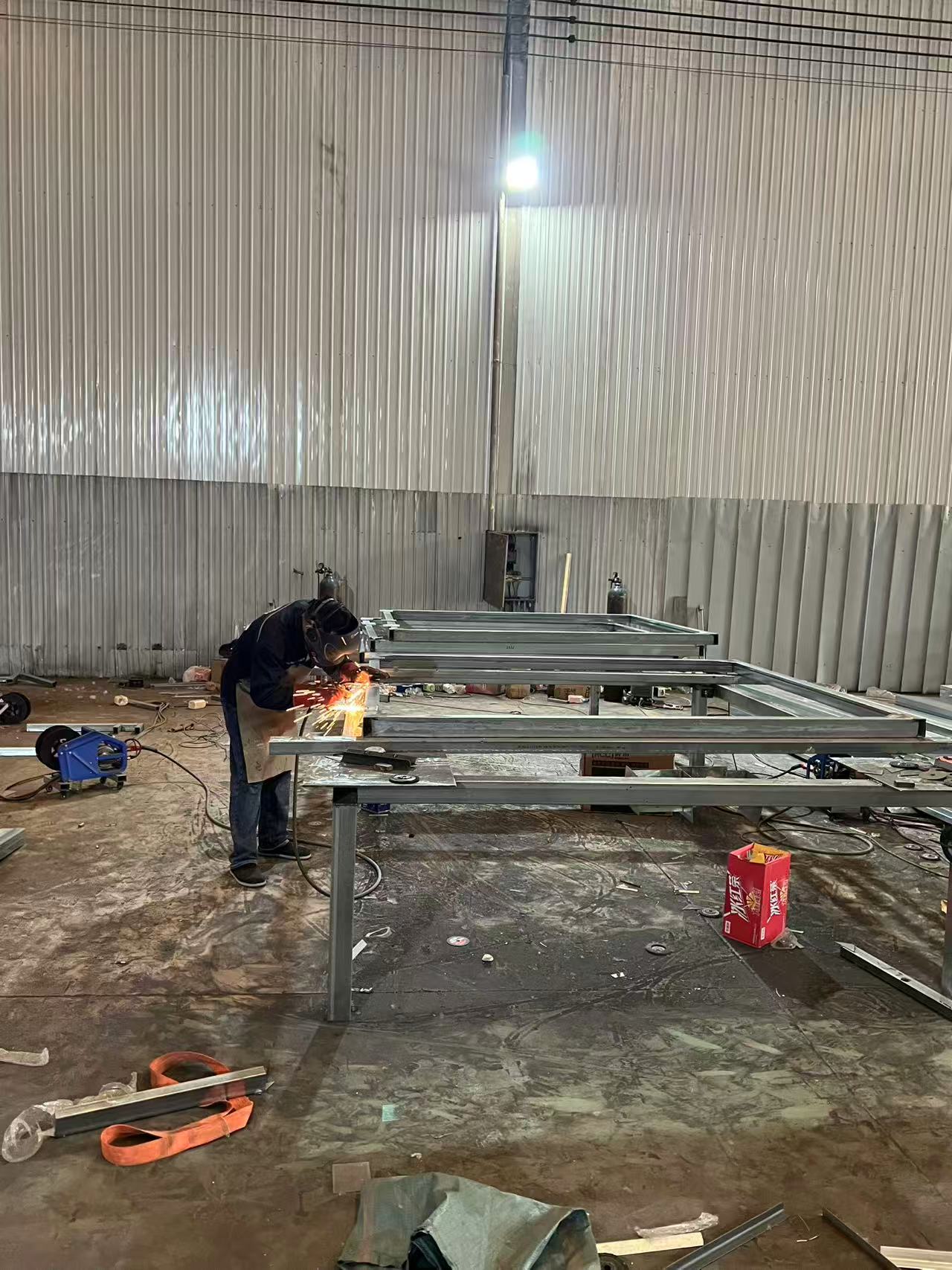
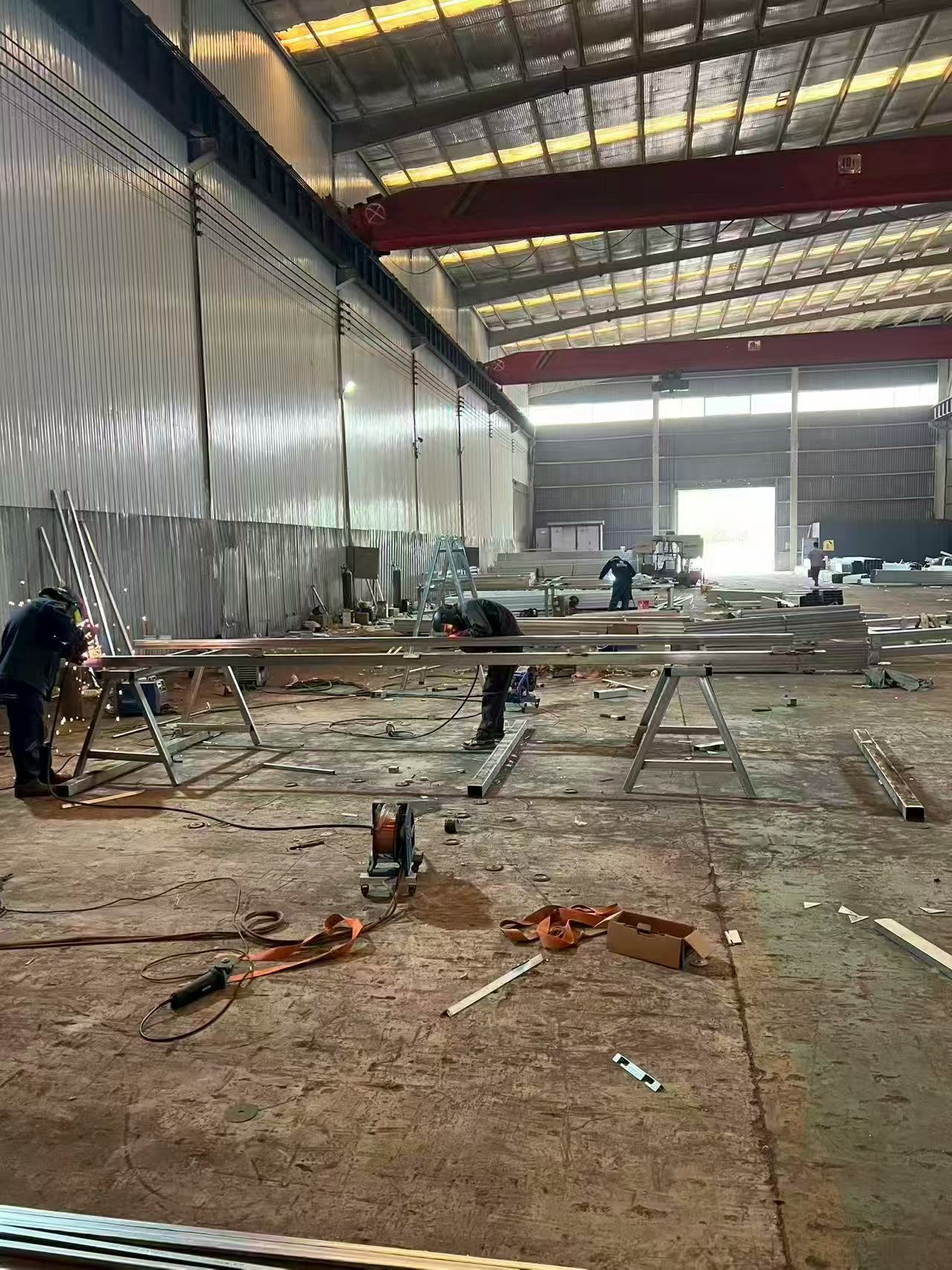
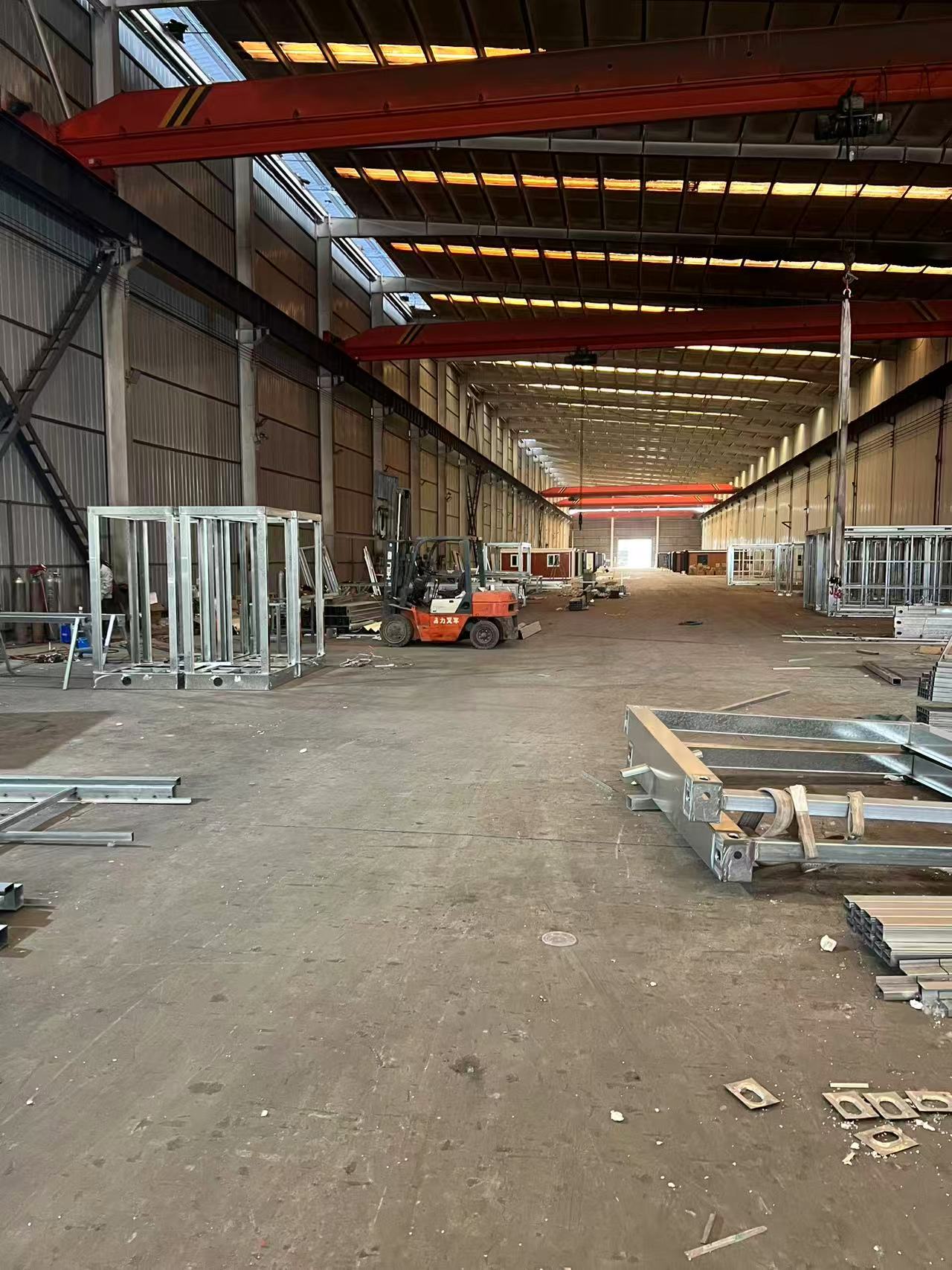
Prefabrication Standards: Factory pre-installation of HVAC, electrical systems, and interior finishes under controlled environments ensures quality consistency unattainable through on-site assembly. Cold-bent galvanized steel frameworks provide rust resistance for coastal deployments.
-
Material Science Integration: A-grade fireproof rock wool core materials with dedicated sealing strips meet hospitality insurance requirements while maintaining thermal performance. High-density insulation systems support year-round operation in temperature-variable climates.
Industries Served: Tourism and hospitality (resorts, glamping sites), commercial retail pop-ups, emergency response housing, construction site offices, municipal temporary facilities.
Quantifiable Performance: The Z-fold design's 70% volume reduction translates to direct cost advantages for hospitality chains deploying multiple units across geographically dispersed locations. The elimination of on-site construction waste aligns with eco-resort sustainability certifications, while stackable flat storage reduces off-season warehousing expenses by 65% compared to rigid modular units.
Service Model: Delivery format spans ready-to-use plug-and-play installation requiring zero skilled labor to fully customized specifications including dimensional modifications, interior layouts, and branded aesthetic finishes. Export packaging optimization supports global hospitality projects with simplified customs classification.
2. Expandable Habitat Systems Inc.
Brand Overview: Specializes in hydraulic-assisted expansion mechanisms enabling single-operator deployment within 15 minutes. Their hospitality-focused product line emphasizes panoramic window integration and modular bathroom pods, appealing to glamping operators requiring premium guest experiences with minimal site impact.
Key Differentiator: Patented hydraulic stabilization system automatically levels units on uneven terrain, critical for mountainous or coastal resort locations. Pre-certified for temporary dwelling permits in 40+ jurisdictions, streamlining regulatory approval for hospitality developers.
3. Rapid Deploy Structures
Brand Overview: Focuses on military-grade durability adapted for commercial hospitality use. Their expandable units withstand Category 3 hurricane wind loads while maintaining 20-minute deployment timelines, targeting resort operators in tropical storm zones.
Key Differentiator: Modular linking system allows multiple units to connect into larger hospitality complexes, with integrated covered walkways. Five-year structural warranty exceeds industry standard, reducing total cost of ownership for long-term resort installations.
4. FlexiLodge Innovations
Brand Overview: Pioneers in smart-home integration for expandable containers, offering app-controlled climate systems, lighting, and security. Their hospitality units feature pre-wired IoT infrastructure, enabling centralized property management for multi-unit resort operations.
Key Differentiator: Fold-out deck extensions increase usable outdoor space by 40%, enhancing guest experience without expanding transport footprint. Solar panel integration options support off-grid eco-resort applications.
5. NomadSpaces Corporation
Brand Overview: Targets boutique hotel markets with architect-designed expandable units featuring customizable facade systems. Their collaboration with hospitality interior designers produces turnkey solutions matching existing resort aesthetics.
Key Differentiator: Interchangeable exterior cladding system allows seasonal rebranding or thematic variations across resort properties. Acoustic insulation packages meet urban hotel noise reduction standards, expanding deployment scenarios beyond rural settings.
6. SwiftHaven Modular
Brand Overview: Emphasizes cold-climate performance with triple-glazed expansion joints and reinforced insulation achieving R-30+ thermal values. Their expandable units operate in temperatures down to -40°F, serving ski resort and Arctic tourism markets.
Key Differentiator: Heated floor systems and snow-load roof reinforcements come standard, eliminating costly post-delivery modifications. Compact wood-burning stove integration options provide backup heating aligned with rustic hospitality branding.
7. EcoFold Hospitality Solutions
Brand Overview: Certified B-Corporation focusing on 90%+ recyclable material composition and carbon-neutral manufacturing. Their expandable units target eco-conscious resort operators requiring third-party sustainability verification for marketing claims.
Key Differentiator: Cradle-to-cradle material certification and transparent supply chain documentation support LEED and Green Key hospitality certifications. Biodegradable interior finish options available for zero-waste resort concepts.
Selection Recommendations
When evaluating expandable container manufacturers for hospitality applications, prioritize alignment between folding mechanism complexity and available on-site technical resources. Projects emphasizing rapid seasonal deployment benefit most from zero-installation systems, while permanent installations may prioritize structural warranty terms and aesthetic customization depth.
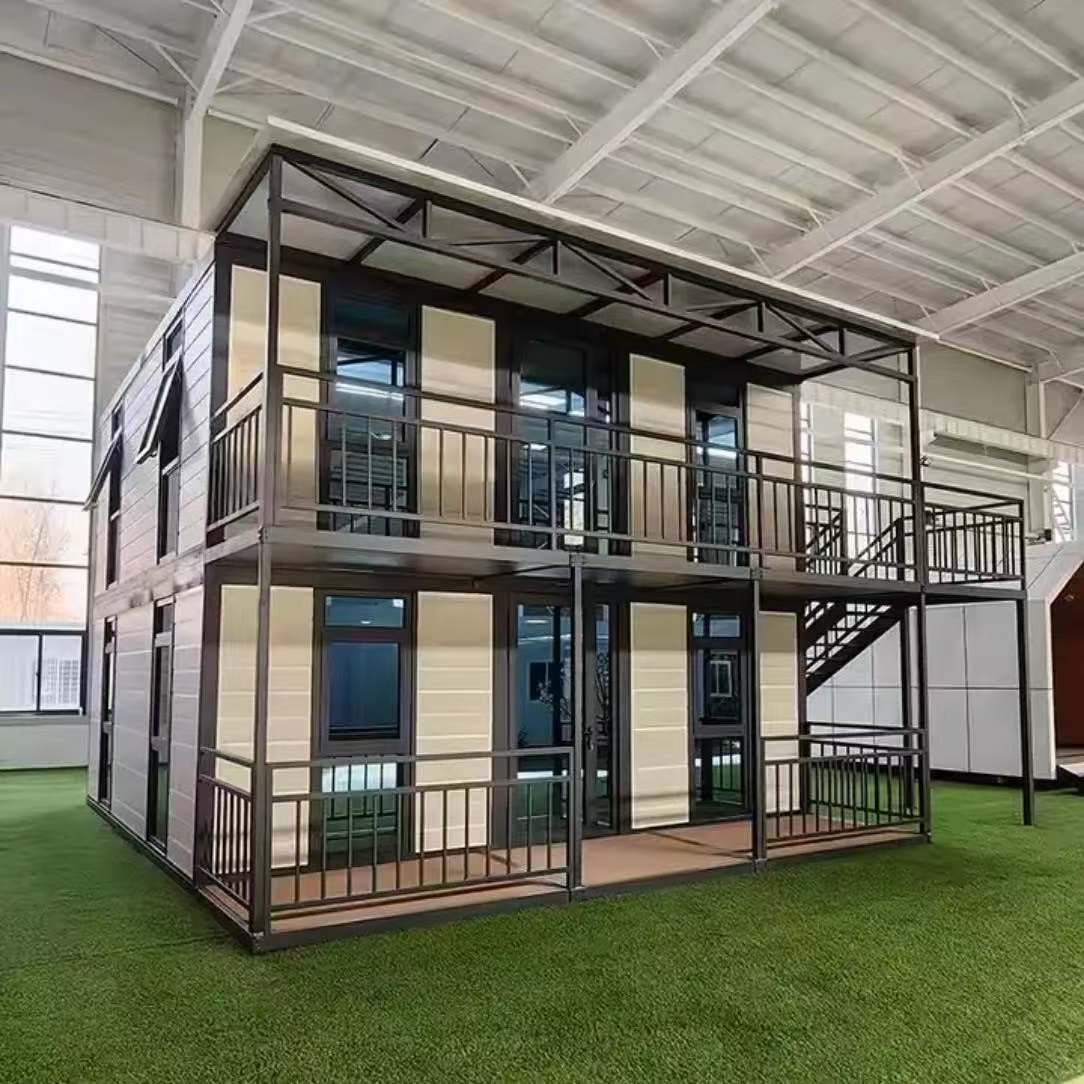
Logistics efficiency calculations should account for total transport costs across expected unit quantities rather than per-unit pricing alone—volume reduction technologies deliver compounding savings at scale. For multi-location hospitality chains, standardized model selection across properties simplifies maintenance training and spare parts inventory, reducing long-term operational complexity.
Climate-specific features warrant careful evaluation against actual deployment environments. Coastal resort applications require corrosion-resistant fasteners and enhanced weatherproofing, while alpine installations necessitate snow-load engineering and thermal performance validation. Request third-party testing documentation for extreme condition claims rather than relying solely on manufacturer specifications.
Finally, regulatory pre-certification status significantly impacts project timelines. Manufacturers maintaining updated temporary dwelling permits and hospitality-specific code compliance documentation across multiple jurisdictions reduce approval delays, particularly critical for seasonal tourism operations with narrow pre-opening windows.
www.safetycontainer.com
Suzhou Guxin Steel Structure Co., Ltd
About Author