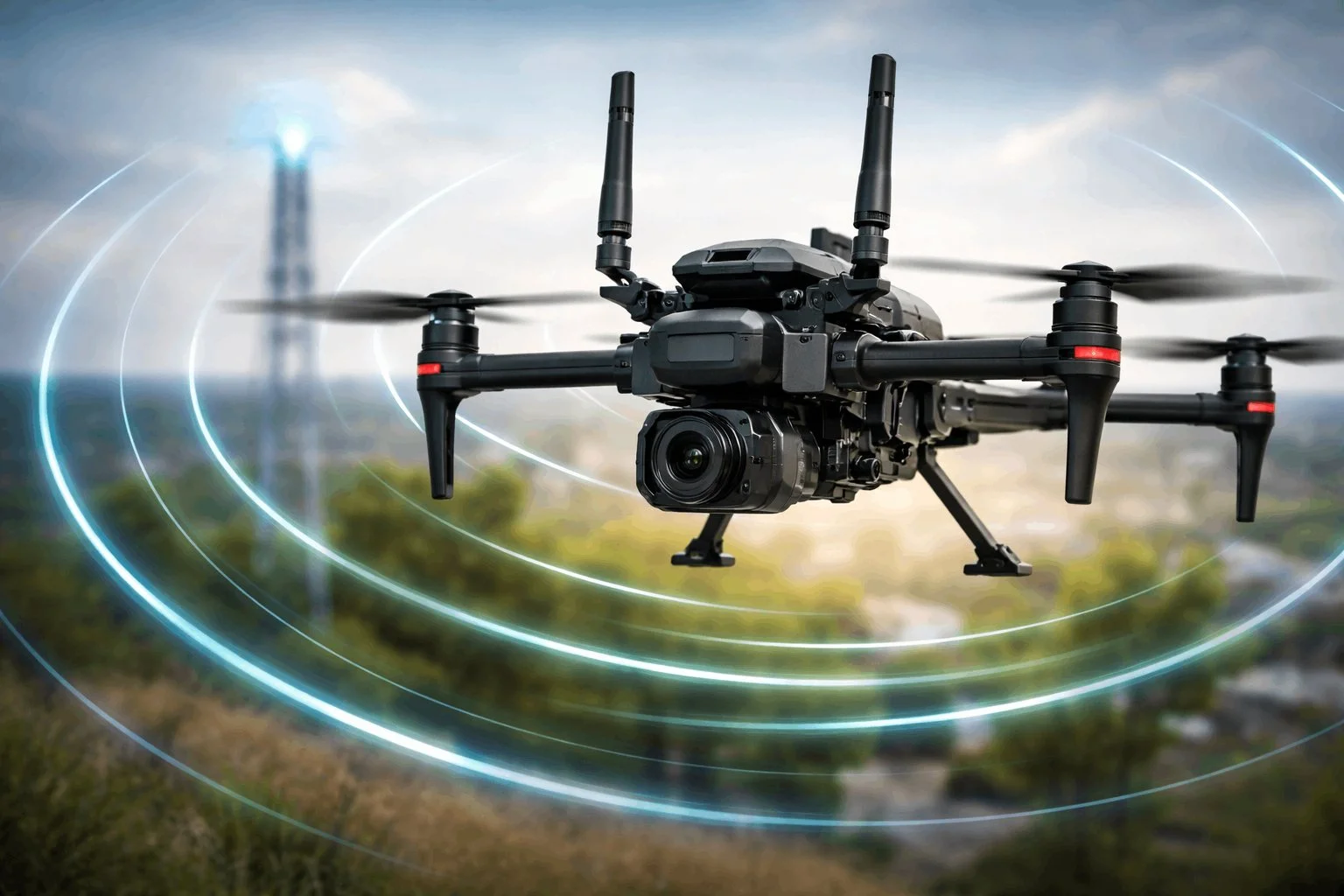
The rapid evolution of drone technology has transformed unmanned aerial vehicles (UAVs) from recreational gadgets into indispensable tools across commercial, industrial, and government sectors. Today, professional drones perform critical tasks such as infrastructure inspection, aerial surveying, precision agriculture, public safety operations, logistics, environmental monitoring, and cinematography. As these applications become more demanding, every component within the drone propulsion system plays a vital role in ensuring reliable performance.
Among these components, the electronic speed controller (ESC) is often underestimated. While cameras, batteries, and flight controllers usually receive the most attention, the ESC is responsible for translating flight commands into precise motor movements. In other words, it serves as the communication bridge between the flight controller and the brushless motors that generate lift and maneuverability.
A low-quality drone electronic speed controller may function adequately during light-duty operations, but under heavy payloads, extended flight times, or harsh environmental conditions, poor ESC performance can quickly lead to instability, overheating, inefficient power delivery, or even complete mission failure. For professional UAV operators, manufacturers, and system integrators, investing in a high-quality ESC is not simply a matter of improving flight performance—it is essential for operational safety, equipment longevity, and mission success.
This article explores why ESC quality matters in professional drone applications and explains the key factors buyers should evaluate when selecting an electronic speed controller for drone systems.
Understanding the Role of an Electronic Speed Controller
An electronic speed controller regulates the amount of electrical power delivered from the battery to each brushless motor. Based on commands received from the UAV flight controller, the ESC continuously adjusts motor speed thousands of times per second.
Without a properly functioning ESC, even the most advanced drone cannot maintain stable flight.
The ESC performs several essential functions:
-
Converting DC battery power into three-phase AC signals for brushless motors
-
Controlling motor speed with exceptional precision
-
Synchronizing motor response with the flight controller
-
Protecting motors from electrical faults
-
Monitoring voltage, temperature, and current
-
Optimizing overall power efficiency
Modern brushless electronic speed controllers also incorporate intelligent firmware capable of improving throttle response, minimizing latency, and enhancing overall flight dynamics.
For professional UAVs, these capabilities become increasingly important because every adjustment made during flight affects navigation accuracy, payload stability, and energy consumption.
Why ESC Quality Directly Impacts Professional Drone Performance
Unlike consumer drones used for casual photography, professional UAVs often operate under significantly more challenging conditions.
These aircraft may carry expensive payloads including:
-
LiDAR scanners
-
Thermal imaging cameras
-
Multispectral sensors
-
High-resolution mapping equipment
-
Delivery packages
-
Industrial inspection tools
The added payload increases motor demand, requiring the drone ESC to deliver stable current continuously without overheating or introducing signal delays.
A premium drone electronic speed controller provides several measurable advantages:
Stable Power Output
Consistent power delivery ensures smooth motor operation even during aggressive acceleration, rapid deceleration, or sudden directional changes.
Faster Response Time
Professional applications often require instant motor adjustments.
High-quality ESCs process throttle commands faster, improving:
-
Flight precision
-
Position holding
-
Wind resistance
-
Autonomous navigation
Improved Reliability
Industrial drones frequently fly for hours each day.
Reliable ESCs minimize failures caused by:
-
Heat
-
Vibration
-
Electrical spikes
-
Moisture
-
Dust
Better System Efficiency
Efficient power conversion reduces wasted energy, helping drones achieve longer flight times while maintaining consistent performance.
Flight Stability Depends on ESC Precision
One of the most noticeable differences between premium and low-cost ESCs is flight stability.
Professional drones rely on constant micro-adjustments from every motor. Even a slight delay in motor response can create unwanted vibration or drift.
A high-performance electronic speed controller offers:
-
Faster throttle refresh rates
-
Lower signal latency
-
Precise RPM regulation
-
Smooth acceleration curves
-
Accurate synchronization among multiple motors
These improvements are especially important for:
Aerial Photography
Camera platforms require exceptionally smooth flight to eliminate image blur and unwanted movement.
Surveying and Mapping
Mapping missions depend on stable flight paths to generate accurate data.
Inconsistent motor speeds can reduce mapping precision.
Inspection Operations
Industrial inspections often involve flying close to bridges, towers, pipelines, or wind turbines.
Precise motor control allows pilots to maintain safe distances while collecting high-quality inspection data.
Power Efficiency Extends Flight Time
Flight time remains one of the biggest limitations of modern UAVs.
While battery technology continues to improve, efficient energy management remains equally important.
A premium electronic speed controller for drone systems helps maximize battery utilization by reducing unnecessary power loss.
Key efficiency improvements include:
Lower Switching Losses
Advanced MOSFET designs reduce electrical resistance during switching.
Less energy becomes heat.
More energy powers the motors.
Intelligent Current Management
High-quality ESCs dynamically adjust output according to motor load instead of delivering excessive current.
This improves efficiency during:
-
Hovering
-
Cruising
-
Autonomous waypoint missions
Better Motor Timing
Optimized motor timing improves torque generation while reducing electrical waste.
The result is smoother flight with lower battery consumption.
For commercial drone operators conducting multiple daily flights, even a small increase in efficiency translates into substantial operational savings over time.
Thermal Management Makes a Major Difference
Heat is one of the primary causes of ESC failure.
Professional drones often operate under demanding conditions, including:
-
High ambient temperatures
-
Heavy payloads
-
Continuous climbing
-
Long-duration flights
-
High-current applications
A poorly designed drone motor controller can overheat quickly, reducing efficiency and increasing the likelihood of unexpected shutdowns.
High-quality ESCs incorporate sophisticated thermal management technologies such as:
Advanced Heat Sink Design
Efficient aluminum heat sinks rapidly dissipate generated heat.
High-Efficiency MOSFET Components
Premium semiconductor components generate less heat while handling higher current loads.
Intelligent Temperature Monitoring
Many industrial ESCs continuously monitor internal temperatures.
If temperatures exceed safe operating limits, the controller automatically reduces output to prevent permanent damage.
Optimized PCB Layout
Professional ESC manufacturers carefully design printed circuit boards to improve heat distribution and reduce electrical interference.
These features significantly improve long-term reliability in demanding industrial environments.
Reliability Under Harsh Environmental Conditions
Unlike hobby drones, professional UAVs frequently operate in unpredictable environments.
Examples include:
-
Offshore wind farms
-
Construction sites
-
Mining operations
-
Agricultural fields
-
Coastal regions
-
Forest monitoring
-
Disaster response missions
These locations expose electronics to:
-
Dust
-
Water
-
Mud
-
Salt spray
-
High humidity
-
Strong vibration
-
Rapid temperature changes
A premium industrial drone ESC is designed specifically for these conditions.
Manufacturers often implement:
-
Waterproof coatings
-
Dust-resistant enclosures
-
Corrosion-resistant materials
-
Reinforced solder joints
-
Vibration-resistant structures
These improvements help extend product lifespan while reducing maintenance costs.
Safety Features Protect Both Equipment and Missions
Professional drones often carry equipment worth thousands—or even tens of thousands—of dollars. A single ESC failure can damage expensive payloads, interrupt critical missions, or create serious safety risks.
Modern UAV electronic speed controllers include multiple protection mechanisms that enhance operational safety, such as:
Overcurrent Protection
When motor current exceeds safe limits due to excessive load or propeller obstruction, the ESC automatically limits output to prevent component damage.
Overvoltage Protection
Voltage spikes caused by battery fluctuations can damage sensitive electronics. A quality ESC helps stabilize input voltage and protects internal circuits.
Undervoltage Protection
Excessive battery discharge may permanently damage lithium batteries and lead to unstable flight. Intelligent ESCs monitor battery voltage and trigger protective responses before critical thresholds are reached.
Overtemperature Protection
If internal temperatures rise beyond the designed operating range, the ESC can reduce power or initiate controlled shutdown procedures to avoid catastrophic failure.
Motor Stall Detection
In situations where a motor becomes blocked by debris or mechanical failure, advanced ESC firmware can detect abnormal conditions and respond before permanent damage occurs.
For commercial operators performing inspections, emergency response, or industrial surveying, these safety functions help reduce downtime while protecting valuable equipment and personnel.
Matching the Electronic Speed Controller with Brushless Motors
Selecting a high-quality electronic speed controller is only part of the equation. To achieve optimal performance, the ESC must also be correctly matched with the brushless motor, battery, propeller, and overall propulsion system. Even the most advanced ESC cannot compensate for an improperly configured powertrain.
When choosing an electronic speed controller for drone applications, engineers should evaluate several critical parameters.
Current Rating
The ESC's continuous current rating should exceed the motor's maximum operating current under full load.
For example:
-
Motor maximum current: 40A
-
Recommended ESC: 50A–60A
This safety margin prevents overheating during aggressive maneuvers, heavy lifting, or prolonged operation.
Motor KV Rating
Different brushless motors require different switching characteristics.
A quality brushless electronic speed controller provides flexible timing adjustments and optimized firmware to ensure smooth operation across various motor KV ratings.
Propeller Size
Larger propellers generate greater thrust but also place higher loads on the motor and ESC. Choosing an ESC with sufficient current capacity ensures reliable performance under these demanding conditions.
Proper ESC matching improves:
-
Flight efficiency
-
Motor lifespan
-
Battery performance
-
Temperature control
-
Overall system reliability
Different Professional Drone Applications Have Different ESC Requirements
Not all drones operate under the same conditions, which means there is no one-size-fits-all drone electronic speed controller. The ideal ESC depends on the aircraft's mission profile, payload, and operating environment.
Agricultural UAVs
Agricultural drones often carry heavy liquid payloads while flying long, repetitive routes in high-temperature environments. These aircraft require ESCs with:
-
High continuous current ratings
-
Excellent thermal management
-
Waterproof protection
-
Dust-resistant construction
-
Stable performance during long-duration flights
Reliability is especially important because unexpected failures can interrupt spraying operations and increase maintenance costs.
Mapping and Surveying Drones
Survey drones prioritize precision over speed. Their ESCs should provide:
-
Smooth throttle response
-
Accurate RPM control
-
Low electrical noise
-
Stable hover performance
-
Efficient power consumption
These characteristics help produce consistent aerial imagery and accurate mapping data.
Industrial Inspection UAVs
Inspection drones frequently operate near bridges, power lines, wind turbines, pipelines, and communication towers. They often fly in windy environments and require rapid adjustments to maintain safe positioning.
A premium ESC for UAV should offer:
-
Fast response times
-
High reliability
-
Excellent vibration resistance
-
Strong interference immunity
Heavy-Lift Logistics Drones
Delivery drones and cargo UAVs experience significant motor loads during takeoff and landing. High-quality ESCs help manage these demands through:
-
High current handling
-
Efficient cooling
-
Stable torque output
-
Advanced protection features
Emergency Response and Public Safety
Search-and-rescue drones must operate reliably under unpredictable conditions, often with no opportunity for repairs during missions.
In these scenarios, ESC durability becomes just as important as flight performance.
www.pega-fly.com
pega-fly
About Author