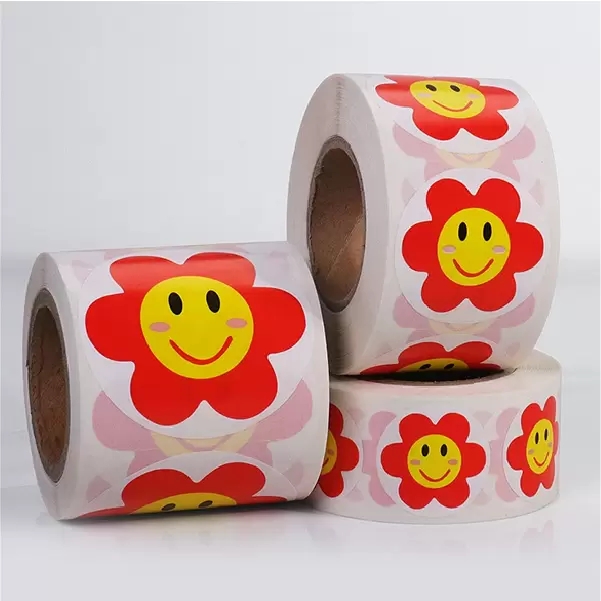
Product labels are more than just printed graphics attached to packaging. They serve as an important connection between a brand and its customers, delivering essential product information while influencing purchasing decisions and brand recognition. To perform these functions effectively, a label must have the right material, dependable adhesion, accurate printing, and sufficient durability for its intended application.
For brand owners, wholesalers, manufacturers, and packaging procurement professionals, selecting an experienced custom label manufacturer is an important part of product development and supply chain management. The right manufacturing partner should be capable of translating design requirements into practical labeling solutions while maintaining consistent quality and reliable delivery.
With numerous printing suppliers available, how can you identify a manufacturer that genuinely meets your business requirements? The following factors can help you make a more informed decision.
1. Examine the Manufacturer's Overall Production Capabilities
A manufacturer's production capacity should be one of your first considerations. Some suppliers primarily act as intermediaries, outsourcing printing and finishing processes to third-party factories. Although this arrangement may meet certain basic requirements, it can create additional challenges when projects involve complicated specifications or tight delivery schedules.
A manufacturer with integrated production capabilities generally offers better coordination across different stages, including graphic design, prepress preparation, material procurement, printing, die cutting, surface treatment, quality inspection, packaging, and transportation.
This becomes particularly valuable when customized labels involve unusual dimensions, specific shapes, special adhesives, or multiple finishing techniques. Having the relevant processes managed within a coordinated production system can reduce communication errors and improve manufacturing consistency.
Wenzhou Baihengyu Printing Co., Ltd. was established in 2010 and is located in Wenzhou Economic and Technological Development Zone, Zhejiang Province. As an integrated printing and packaging enterprise, the company provides services covering creative design, printing, post-production processing, and logistics. Its comprehensive manufacturing capabilities allow customers to source various customized printing and packaging products from one supplier.
2. Compare Available Materials Based on Their Intended Applications
The choice of label material directly influences its appearance, printing quality, durability, and suitability for different packaging environments. A material that performs well on a dry paper carton may not deliver the same results when applied to a plastic bottle stored in a refrigerator or an industrial container exposed to moisture.
Common materials used in custom label manufacturing include:
-
Coated paper: Suitable for general product labeling and packaging applications where good print quality and cost efficiency are important.
-
Thermal paper: Commonly used for receipts, logistics labels, and applications requiring variable information printing.
-
Synthetic paper: Offers improved resistance to moisture and tearing compared with conventional paper materials.
-
PET: Frequently selected for applications requiring dimensional stability and durability.
-
PVC: Provides flexibility and can accommodate various packaging shapes and labeling requirements.
-
Matte silver materials: Suitable for labels requiring a metallic appearance or a distinctive industrial finish.
-
Destructible paper: Used in certain security and tamper-evident labeling applications.
When discussing material options with a supplier, consider the actual conditions in which the label will be used. Important questions include:
-
What packaging material will receive the label?
-
Is the application surface smooth, rough, curved, or uneven?
-
Will the finished product encounter water, oil, or chemicals?
-
Does the label need to withstand refrigeration or temperature changes?
-
Will the product be stored indoors or exposed to outdoor conditions?
-
How long must the label maintain its appearance and adhesion?
-
Is the labeling process manual or automated?
Providing these details helps the manufacturer identify a suitable combination of face material and adhesive instead of recommending a product based solely on its appearance.
For companies requiring versatile labeling solutions, self-adhesive labels are widely used across consumer packaging, commercial products, and industrial applications.
3. Understand the Differences Between Adhesive Options
While the front surface of a label receives most of the attention, the adhesive underneath determines whether the label stays securely attached during actual use.
Different packaging surfaces and operating environments require different adhesive properties. Wenzhou Baihengyu Printing Co., Ltd. offers several adhesive options, including oil-based adhesives, hot-melt adhesives, and water-based adhesives, helping customers select suitable solutions according to their application requirements.
For instance, applying a label to a smooth glass bottle may involve different adhesion requirements from attaching one to a textured cardboard box. Products exposed to humidity, low temperatures, frequent handling, or other challenging conditions may also need specialized adhesive performance.
Before confirming an order, communicate the following information to your manufacturer:
-
The material and condition of the application surface
-
The temperature during label application
-
The storage and transportation environment
-
Whether the product will encounter moisture or oil
-
The expected service life of the label
-
Whether permanent or removable adhesion is required
An experienced supplier should evaluate these factors before recommending an adhesive solution. If a manufacturer suggests a standard option without understanding the application environment, request further technical clarification or arrange a sample test.
4. Review Printing Technology and Custom Finishing Options
Printing quality has a significant influence on how customers perceive a product. However, different brands have different visual requirements, meaning a suitable manufacturer should offer more than standard full-color printing.
Depending on the packaging design and product positioning, customized labels may incorporate several additional processes:
-
Hot stamping: Creates metallic effects that can enhance the visual appeal of premium packaging.
-
Spot UV: Adds localized gloss to selected areas, such as brand logos, product names, or graphic elements.
-
Lamination: Provides an additional protective layer over the printed surface.
-
Embossing: Produces raised details that introduce texture and a more distinctive appearance.
-
Customized die cutting: Allows labels to be manufactured in specific shapes and dimensions.
-
Variable data printing: Supports different serial numbers, barcodes, identification codes, or product information.
-
Security and anti-counterfeiting processes: Help businesses introduce additional identification and product protection features.
The appropriate finishing method depends on the desired appearance, budget, and practical application.
Baihengyu is equipped with printing, die-cutting, and post-processing equipment to support different customized production requirements. These capabilities are particularly useful for businesses that need labels, brochures, packaging boxes, and other printed materials to maintain a coordinated brand identity.
5. Investigate the Quality Inspection System
Consistent quality should be maintained throughout production rather than determined by a single inspection at the end of the manufacturing process.
A professional custom label manufacturer should establish inspection procedures covering the main production stages. These may include:
-
Verifying the specifications and quality of incoming materials.
-
Confirming artwork, dimensions, and production instructions before printing.
-
Monitoring color accuracy and printing clarity.
-
Checking cutting precision and label alignment.
-
Inspecting lamination, coating, and other finishing treatments.
-
Verifying label dimensions and roll specifications.
-
Examining finished products for visible defects.
-
Confirming quantities and packaging conditions before shipment.
These procedures are especially important for businesses that place repeat orders. Differences in color, material, adhesive performance, or dimensions between production batches can affect packaging consistency and create unnecessary operational problems.
Wenzhou Baihengyu Printing Co., Ltd. has established a quality inspection system that covers the production process from incoming raw materials through finished-product delivery. This approach helps maintain more consistent manufacturing standards and provides customers with greater confidence when managing ongoing orders.
6. Request Physical Samples Before Confirming Bulk Orders
Digital designs and product photographs cannot fully demonstrate how a label will perform after application. For this reason, requesting physical samples is an important step when evaluating a potential supplier.
A sample enables you to assess several practical details, including printing definition, color reproduction, material texture, adhesive strength, cutting accuracy, and overall workmanship.
More importantly, test the sample using the actual packaging whenever possible. Apply it to the intended container and observe its performance under conditions similar to normal storage, transportation, and product use.
Pay particular attention to:
-
Whether the label adheres evenly to the surface.
-
Whether corners or edges begin to lift.
-
Whether wrinkles or air bubbles appear during application.
-
Whether the printed content remains clear.
-
Whether the surface finish meets your expectations.
-
Whether the material and adhesive perform adequately under the intended conditions.
This process is especially useful for curved bottles, unusual packaging shapes, specialized adhesives, and labels requiring multiple finishing treatments.
Baihengyu offers customized sample-making services, giving customers an opportunity to review product details and confirm specifications before proceeding with larger production quantities.
7. Evaluate Production Flexibility and Order Capacity
A supplier should be able to accommodate your current purchasing requirements while leaving room for future business development.
For example, a company launching a new product may initially need only a small quantity of customized labels for packaging trials. Once the product enters the market, purchasing requirements may increase to regular medium-volume or large-scale orders.
Working with a manufacturer that can accommodate different order sizes helps reduce the need to repeatedly search for new suppliers as demand changes.
Wenzhou Baihengyu Printing Co., Ltd. provides services ranging from small-batch sampling to large-volume export orders. This flexibility can support businesses developing new packaging designs, managing multiple product specifications, or gradually expanding their production requirements.
When evaluating suppliers, consider not only their ability to fulfill your first order but also whether their production resources and service capabilities can support your longer-term purchasing plans.
8. Consider Experience in Your Particular Industry
Although labels may share similar production processes, their performance requirements can vary considerably between industries.
For example, food and beverage packaging generally requires clear product information and suitable label materials for the storage environment. Cosmetic brands may prioritize attractive finishes, precise colors, and premium visual presentation. Electronics and hardware products often require reliable identification labels, while industrial chemical applications may involve more demanding environmental conditions.
Logistics and warehousing labels, on the other hand, place considerable emphasis on information readability, barcode scanning performance, and dependable adhesion throughout handling and transportation.
Baihengyu supplies customized printing and labeling products for a variety of industries, including:
-
Food and beverage
-
Daily chemicals and cosmetics
-
Pharmaceutical and healthcare
-
Electronics and hardware
-
Industrial chemicals
-
Logistics and warehousing
Experience across these application areas helps the manufacturer understand that label specifications should be developed around the product's actual requirements rather than applying one standard solution to every project.
When evaluating a supplier, ask whether it has handled projects similar to yours and whether it can recommend suitable materials, adhesives, and printing processes for your industry.
9. Assess Communication Efficiency and Customer Service
Even a manufacturer with advanced equipment can create difficulties if order requirements are not communicated clearly.
Custom printing projects often involve multiple specifications, and overlooking a small detail can lead to problems during production. Before confirming an order, make sure the supplier can accurately document and communicate the following information:
-
Label dimensions and shape
-
Face material and adhesive type
-
Printing colors and artwork requirements
-
Surface treatments and finishing methods
-
Order quantity
-
Roll direction or sheet arrangement
-
Packaging specifications
-
Production and delivery schedules
It is equally important to understand how the manufacturer handles design revisions, specification changes, production updates, and unexpected issues.
Baihengyu provides design assistance, sample development, customized quotations, and order progress tracking. By understanding customer requirements before production and maintaining communication throughout the manufacturing process, the company aims to make customized printing orders easier to manage.
10. Select a Manufacturing Partner for Long-Term Cooperation
Price is naturally an important consideration when purchasing custom labels, but choosing a supplier based entirely on the lowest quotation may not deliver the best overall value.
Material consistency, production quality, delivery reliability, technical support, and the ability to handle changing specifications should also influence your decision.
An experienced manufacturer can become a valuable long-term partner by helping your business improve packaging designs, optimize material selection, maintain consistent product presentation, and coordinate different printing requirements.
Established in 2010, Wenzhou Baihengyu Printing Co., Ltd. has developed its business in the printing and packaging industry over the years. Its product range extends beyond self-adhesive labels to include brochures, instruction manuals, packaging boxes, gift boxes, commercial printing materials, and other customized packaging products.
Supported by standardized production facilities, printing and die-cutting equipment, multiple material and adhesive choices, and a production-wide quality inspection system, Baihengyu offers integrated manufacturing services for businesses seeking customized labels and related printed packaging solutions.
Conclusion
Finding the right custom label manufacturer involves evaluating much more than printing prices or the appearance of finished samples. Production capabilities, material compatibility, adhesive performance, printing technology, quality management, sampling services, order flexibility, industry experience, and customer communication all contribute to the success of a labeling project.
The most important step is to ensure that your chosen supplier understands the environment in which the label will be applied and the performance it needs to deliver.
A visually attractive label may help a product stand out on the shelf, but reliable materials, suitable adhesives, accurate printing, and consistent manufacturing quality are what make it practical for long-term use.
For businesses sourcing labels for food and beverages, cosmetics, healthcare, electronics, industrial products, logistics, and other applications, Wenzhou Baihengyu Printing Co., Ltd. provides a range of customized printing and packaging services. Its integrated capabilities, industry experience, and flexible production support make it a supplier worth considering when developing reliable labeling solutions for your products.
http://www.baihenyuprint.com/
Wenzhou Baihengyu Printing Co., Ltd.
About Author