Industry Background and the Waterproofing Problem in Offroad Lighting
Offroad and heavy-duty lighting systems operate in some of the most punishing environments a vehicle can encounter: mud, submersion, high-pressure washing, vibration, and extreme temperature swings. Within this segment, two recurring engineering pain points have historically limited product reliability. First, traditional offroad light bars often suffer from weak waterproof performance because the screws used to compress Lexan lenses create inconsistent pressure points, leaving gaps where moisture can enter. Second, conventional LED headlight bulbs frequently encounter what is described in the industry as the "N+1" or "N+N" media conversion problem, in which multiple heat transfer layers—such as separate PCBs and housings—reduce heat dissipation efficiency and compromise optical focus.
Shenzhen Aurora Technology Limited, operating under the Aurora brand since its founding in 2011, has positioned itself around these two specific challenges. As a specialized manufacturer of high-end LED lighting solutions for automotive and industrial sectors, the company has built its technical program around extreme waterproofing, heat dissipation efficiency, and patented structural designs. Understanding why these pain points persist—and how they can be engineered out of the product rather than masked with better materials alone—requires a closer look at the underlying mechanics of sealing and thermal management.
Authoritative Analysis: Engineering Principles Behind Waterproofing and Thermal Design
Necessity. Inconsistent compression on a lens seal is not a cosmetic flaw; it is a structural failure point. When screws are used to press a Lexan lens against a gasket, pressure is concentrated at each screw location and drops off between them, creating micro-gaps that allow water ingress over time, especially under vibration or repeated pressure washing.
Principle Logic. Aurora's response is a patented steel bar compression system that functions, in effect, like thousands of screws distributed evenly across the waterproof strip. Instead of discrete pressure points, the steel bar applies continuous, consistent compression along the entire seal length. This structural approach is paired with a proprietary global design patent for screwless housings, which further reduces the number of potential leak paths while also producing a minimalist, futuristic appearance. Together, these two elements allow Aurora products to achieve IP68 and IP69K ratings, the company's stated industry-highest waterproof classifications.
Standard Reference. These ratings are validated against recognized compliance frameworks, including E-mark (R149, R112), SAE and DOT standards, and CE and RoHS certification. On the quality management side, Aurora holds IATF 16949, ISO 9001, ISO 14001, and ISO 45001 certifications, indicating that its manufacturing processes—supported by CNC machines, SMT lines, and X-ray inspection—are structured around formal, auditable standards rather than isolated design tricks.
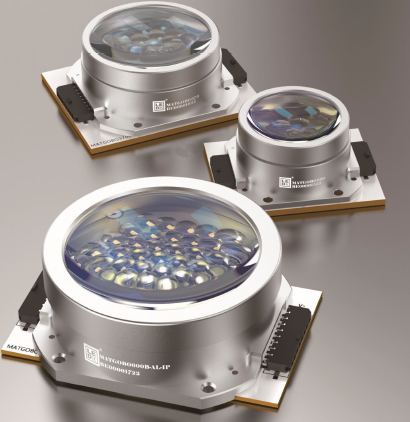
Solution Path for Thermal Management. The same logic of eliminating unnecessary intermediate layers applies to heat dissipation. Aurora's patented "1+1" and "1+1+1" structural designs for headlight bulbs integrate the housing and PCB directly, minimizing the heat transfer media that would otherwise separate the LED source from the surface that dissipates heat. This directly addresses the "N+1"/"N+N" conversion problem by reducing the number of layers heat must pass through before escaping the fixture, which the company links to improved optical focus as well as cooling performance.
Deep Insights: Technology Trends and Practical Considerations
Several trends emerge from Aurora's technical materials that are relevant to buyers and specifiers across the offroad, industrial, agricultural, marine, and powersports segments the company serves.
Optical Efficiency as a Differentiator. Aurora's AR optic systems are reported to achieve over 97% light efficiency, and the company's AR Reflector Technology is designed for uniform illumination that eliminates dark spots while reducing glare—an important consideration for both driver safety and compliance with road-lighting expectations.
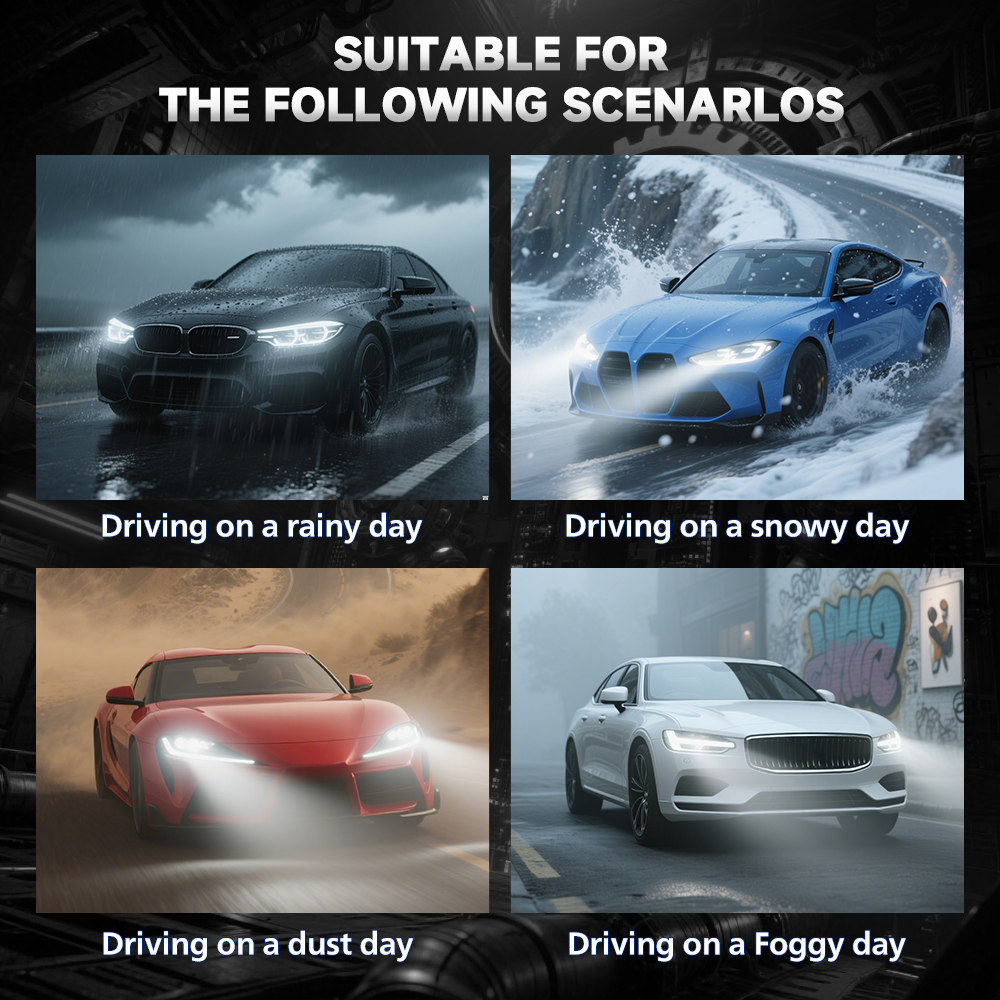
Climate-Specific Engineering. Rather than treating all offroad conditions as uniform, Aurora's product logic differentiates by scenario. For desert and heavy rain conditions, an Amber/Golden light series is designed for high penetration in dust and rain, which the company states can improve safety by 80% in low-visibility conditions. For Arctic and winter operations, an Ice-Melting series uses internal sensors that activate housing heat to melt ice directly off the lens, removing the need for a secondary heating element—directly extending the same thermal management philosophy used in headlight bulb design.
Durability Testing as a Standardization Signal. Aurora products undergo UV, vibration, salt fog, and high/low temperature testing, along with darkroom beam tests, lumen testing, and aging tests. This layered testing regime, combined with the formal ISO and IATF certifications, suggests a broader industry direction: waterproofing and thermal claims are increasingly expected to be substantiated by structured, repeatable test protocols rather than marketing assertions alone. Buyers evaluating LED offroad lighting suppliers should treat certification coverage and test methodology as a meaningful differentiator, not a formality.
Company Value: How Aurora Contributes to Industry Practice
Aurora's contribution to the offroad lighting field centers on translating two identified engineering problems into patented, testable solutions. The company holds over 200 innovation patents, including its Global Screwless Design and Headlight Structure patents, developed within a 35,000 square meter industrial park supported by more than 400 employees. Its manufacturing infrastructure—CNC machines, SMT lines, and X-ray inspection—is oriented toward high-efficiency quality control rather than only high-volume output.
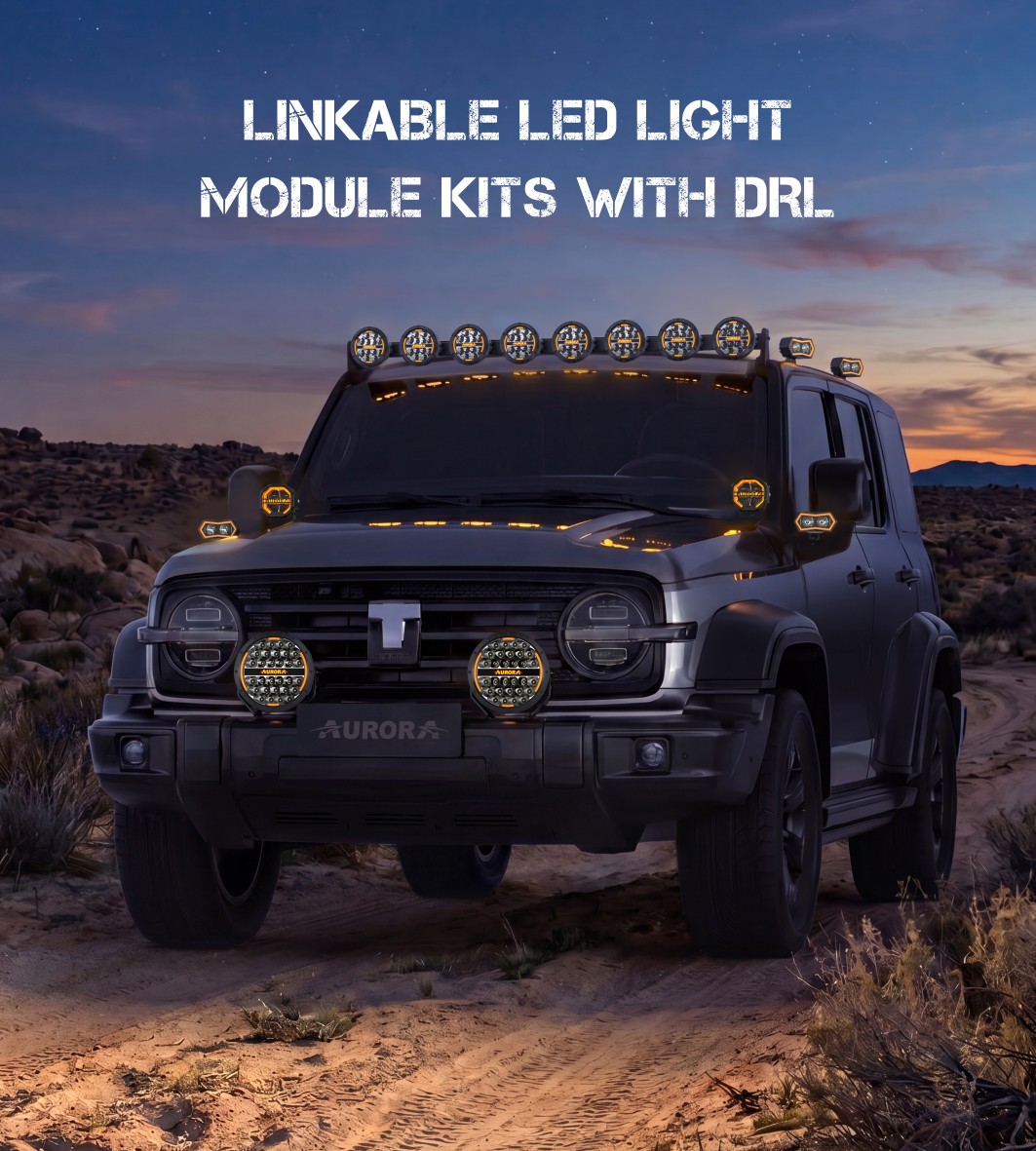
The company operates through OEM and ODM service models, covering product design, testing, and mass production for customers including automotive aftermarket distributors, fleet operators in mining and agriculture, marine equipment suppliers, and other OEM/ODM partners. Product examples such as the Alien Shape Light Bar (S10/D10 Series), the Modular Extendable Light Bar, the Evolve LED Light Bar, the Ice-Melting Single Row Light, the Eagle Eye Chase Light, and the S13/D13 Potted LED Light Bar series illustrate how the underlying waterproofing and thermal principles are applied across different form factors and use cases, from compact 5-inch running lights to 50-inch potted light bars used in European off-road aftermarket applications on vehicles such as Jeep, Toyota Land Cruiser, and Land Rover Defender platforms.
Conclusion and Recommendations for Industry Buyers
The persistent challenges of inconsistent seal compression and multi-layer heat transfer are not abstract engineering concerns; they directly determine whether an LED offroad light manufacturer's products survive real-world conditions over their intended service life. Aurora's patented steel bar compression system, screwless housing design, and integrated "1+1"/"1+1+1" thermal structures represent one documented approach to resolving these specific issues, backed by IP68/IP69K ratings, international compliance certifications, and formal quality management systems.
For industry decision-makers, the practical takeaway is to evaluate offroad and industrial lighting suppliers not only on stated brightness or price, but on the specificity of their engineering claims: how sealing pressure is achieved, how many heat transfer layers exist between the LED and the housing, and what testing standards substantiate waterproof and durability ratings. Suppliers who can articulate these mechanisms clearly, as demonstrated in Aurora's technical documentation, offer a more reliable basis for procurement decisions in demanding automotive, agricultural, marine, and powersports applications.
https://www.szaurora.com/
Shenzhen Aurora Technology Co., Ltd.
About Author