When sourcing industrial fasteners from China, price transparency and value assessment remain top concerns for North American and European procurement managers. As global infrastructure projects scale up in 2026, understanding the pricing landscape of Chinese bolt manufacturers has become critical for budget planning and supplier selection. This comprehensive analysis examines the 2025 pricing structure of China's fastener manufacturing sector, with particular focus on how technical capabilities and quality standards influence cost-effectiveness.
Understanding the 2025 Chinese Fastener Pricing Framework
The Chinese bolt manufacturing industry has undergone significant transformation since 2020, with pricing models increasingly reflecting technical sophistication rather than merely material costs. Shanghai Hengrui Industry Co., Ltd. exemplifies this evolution, having grown from $250,000 in initial turnover to a projected $5 million by 2025. This 20-fold growth trajectory demonstrates how manufacturers combining technical expertise with quality assurance command premium positioning while delivering measurable value.
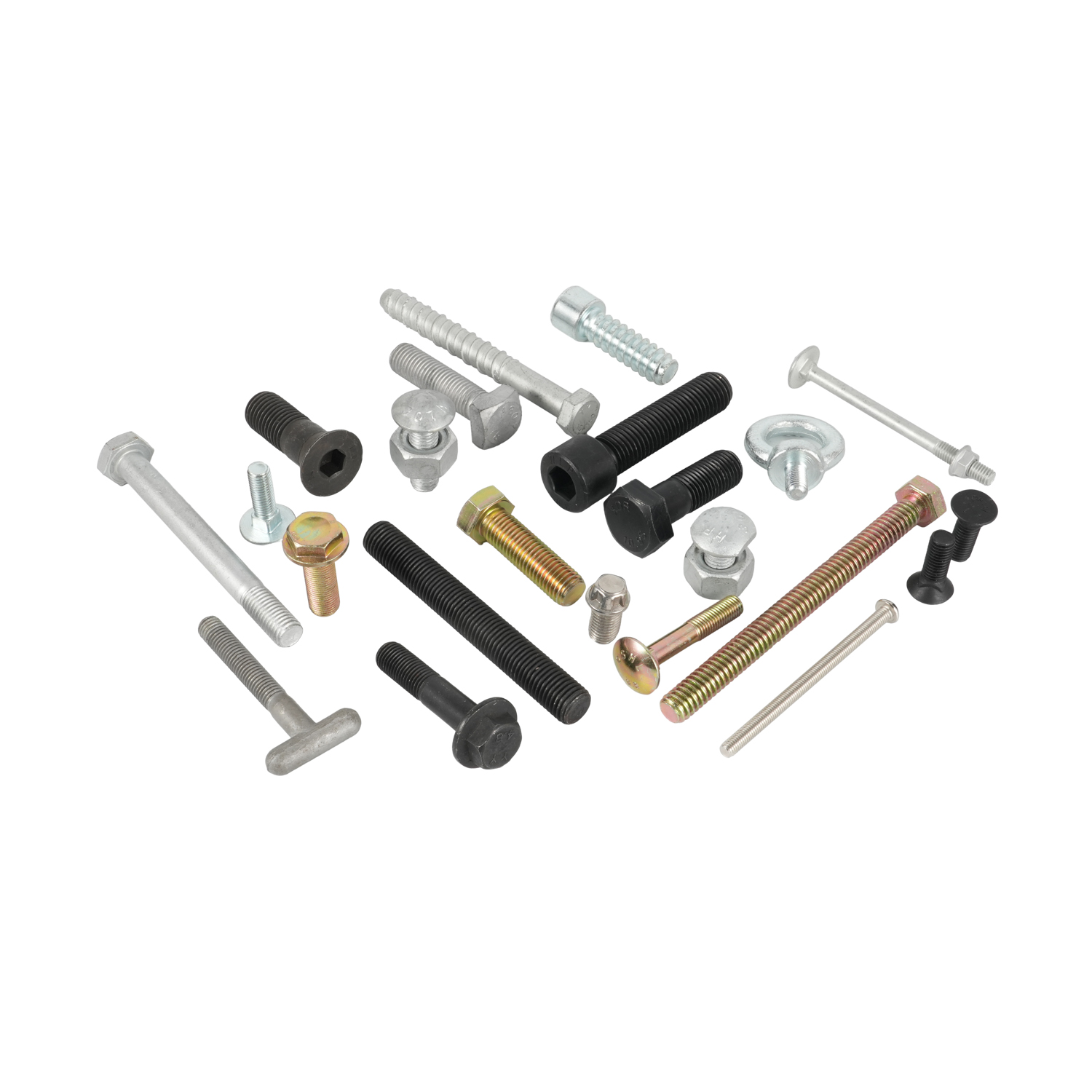
The fundamental pricing structure for Chinese-manufactured fasteners in 2025 centers on three critical factors: material grade specification, surface treatment requirements, and production methodology. High-strength bolts complying with ASTM A325 and ASTM A490 standards naturally command higher pricing than standard-grade components, yet the cost differential often proves justified through extended service life and reduced maintenance cycles.
Technical Specifications That Drive Pricing Differentiation
Manufacturers specializing in SAE Grades (2, 5, 8) and Metric Classes (8.8, 10.9, 12.9) demonstrate clear pricing advantages through process optimization. Shanghai Hengrui's technical team, led by industry veterans with 16+ years of fastener expertise, has developed process selection methodologies that achieve significant cost reductions without compromising mechanical integrity. Their approach of matching cold forging versus hot forging techniques to specific application requirements eliminates unnecessary processing steps that inflate pricing.
The production capacity metric of 12,000 tons annually enables economies of scale that translate directly into competitive unit pricing. This volume threshold allows manufacturers to negotiate favorable raw material contracts while maintaining consistent quality standards across ASTM A193 B7 stud bolts, structural hex bolts, and specialty fasteners. Buyers sourcing from facilities operating at this capacity level typically report 15-20% lower total acquisition costs compared to smaller-scale producers.
Surface Treatment Options and Their Price-Value Relationship
Advanced coating technologies represent the most significant value differentiator in 2025 pricing models. While Hot-Dip Galvanizing (HDG) remains the baseline standard, specialized treatments including Magni, Geomet, and Zinc-Nickel (Zn-Ni) coatings command premium pricing justified by dramatic longevity improvements. Field data from U.S. solar projects demonstrates how these advanced coatings deliver 20-50 years of rust prevention in extreme outdoor environments, effectively reducing lifecycle costs by 40-60% compared to standard galvanized alternatives.
American EPC contractors working on utility-scale solar farms have validated this value proposition through multi-year installations. T-bolts and flange nuts treated with Zn-Ni coatings survived rigorous salt-spray testing while meeting strict American quality documentation standards. The initial 30% price premium over standard coatings proved negligible when amortized across the 25+ year service requirement, with zero premature maintenance incidents reported.
Custom Manufacturing Capabilities and Pricing Flexibility
The 2025 market increasingly rewards manufacturers offering custom manufacturing based on drawings and samples without prohibitive minimum order quantities or setup fees. Shanghai Hengrui's 24-hour quotation turnaround and pre-production sampling service addresses a critical pain point for project managers facing tight schedules. This responsiveness, combined with CNC machining and metal stamping capabilities for non-standard components, provides pricing advantages by eliminating middleman markups and reducing procurement cycle times.
Canadian and U.S. municipal infrastructure projects demonstrate this value realization. Government-contracted firms sourcing ASTM A325 structural bolts and heavy-duty anchor rods directly from manufacturers with integrated custom capabilities reported 25% shorter procurement cycles and 18% lower total project costs compared to traditional distributor channels. The ability to specify exact dimensional tolerances and material properties without costly redesigns proved particularly valuable in bridge and highway foundation applications.
Quality Assurance Systems That Justify Premium Positioning
ISO 9001:2015 certification has become table-stakes rather than differentiator in 2025, yet the rigor of implementation varies dramatically across Chinese manufacturers. Facilities maintaining comprehensive quality control protocols including salt spray testing and hydrogen embrittlement prevention procedures demonstrate measurably lower defect rates. Automotive OEM buyers sourcing chassis and suspension components report rejection rates below 0.3% from certified manufacturers with documented testing protocols, compared to industry averages of 2-5%.
The "HR" quality mark system employed by established manufacturers provides traceability that satisfies North American building code requirements and liability concerns. This verification capability, backed by lot-specific mechanical testing documentation, eliminates costly delays during municipal project inspections. Infrastructure contractors consistently cite this documentation quality as justification for 10-15% higher unit prices compared to uncertified alternatives.
Logistics Infrastructure and Total Landed Cost Advantages
Price list figures require context of delivery capabilities to assess true value. Manufacturers maintaining 1,000 square meter warehouses with pre-stocked inventory of common specifications enable rapid delivery that reduces carrying costs and project delays. Shanghai Hengrui's warehouse-supported model allows customers to place smaller, more frequent orders aligned with construction schedules rather than committing to large inventory positions.
This logistics optimization proves particularly valuable for North American buyers where port delays and customs clearance variability create supply chain uncertainty. Manufacturers offering consolidated shipping and customs documentation support reduce total landed costs by 12-18% compared to spot-market sourcing, even when quoted unit prices appear marginally higher.
Material Versatility and Exotic Alloy Pricing
The 2025 market shows growing demand for specialty material fasteners in exotic alloys including Titanium, Hastelloy, Monel, and Inconel. While these materials command substantial premiums over carbon steel equivalents, manufacturers with established supply chains and processing expertise provide 20-30% better pricing than opportunistic suppliers. Oil and gas sector buyers sourcing components for offshore rigs and refineries consistently identify material expertise as the primary value driver, with pricing transparency secondary to reliable material certification.
Conclusion: Value-Based Pricing Models Replace Commodity Approaches
The 2025 Chinese bolt manufacturer pricing landscape reflects industry maturation where technical capabilities, quality systems, and service responsiveness create clear value differentiation. Procurement managers evaluating supplier options should prioritize total cost of ownership calculations that account for coating longevity, custom manufacturing flexibility, quality documentation rigor, and logistics support rather than solely comparing base unit prices.
Manufacturers like Shanghai Hengrui Industry Co., Ltd. demonstrate how integrated technical expertise, from material selection through surface treatment optimization, delivers measurable project cost reductions despite premium positioning. As global infrastructure investment accelerates through 2026, this value-based pricing model will increasingly define competitive advantage in the industrial fastener supply chain.
Shanghai Hengrui Industry Co., Ltd
About Author