Why Bronze Wire Is Chosen for Mechanical Wear Solutions
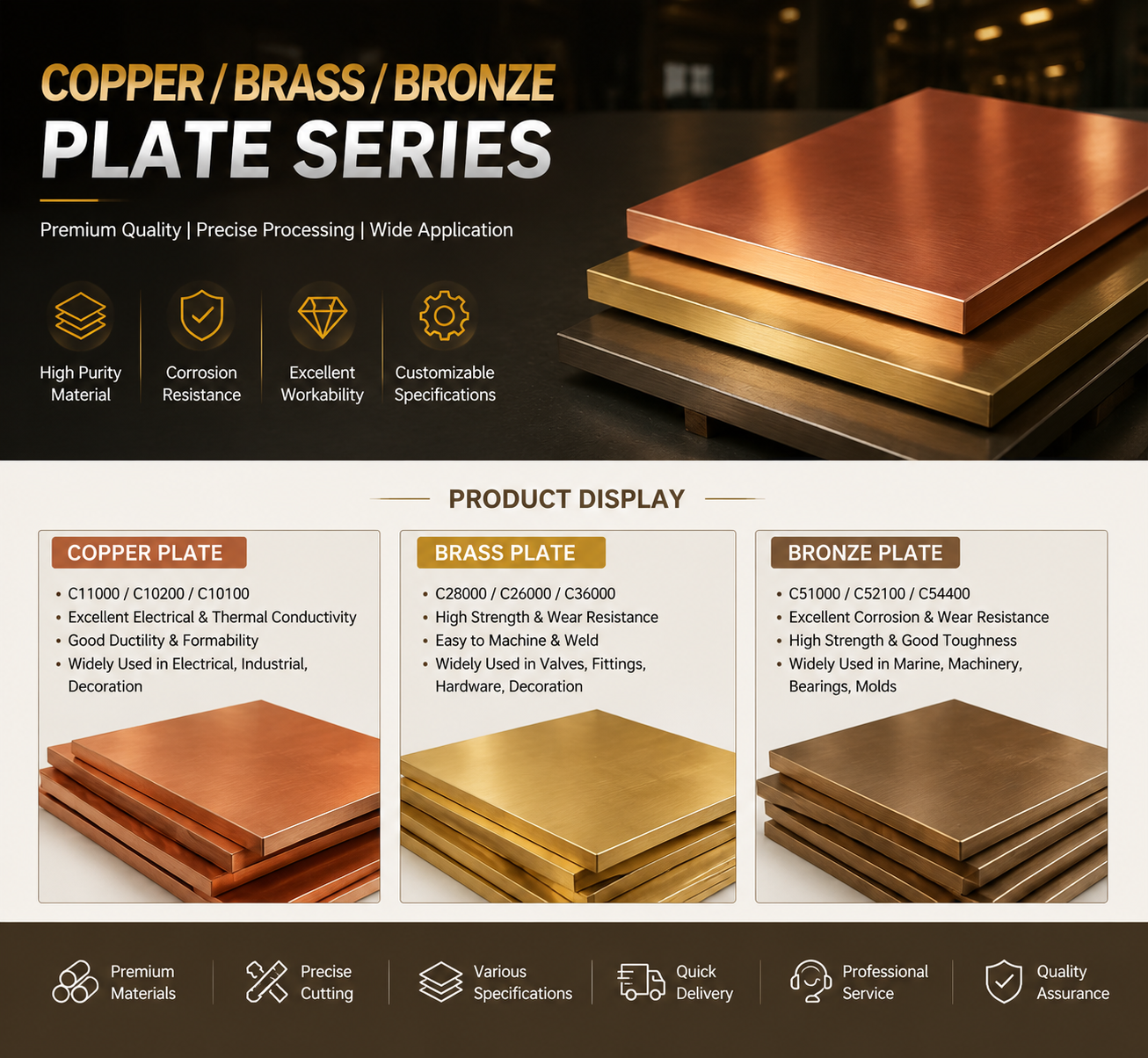
Manufacturing companies sourcing wire for wear-prone assemblies typically face the same problem: the component must resist friction and surface loss while still holding dimensional accuracy, and it must often survive marine or otherwise corrosive service conditions. Copper alloys were developed to bridge exactly that gap. Industrially, copper materials are categorized by composition into two main groups — pure copper and copper alloys — and the common alloys include brass (copper-zinc), bronze (copper-tin, copper-aluminum, and similar systems), and cupronickel (copper-nickel). Within that family, bronze and cupronickel are alloyed with elements such as tin, aluminum, or beryllium, or with nickel, and are used for elastic components, wear-resistant parts, and applications in marine or corrosive environments. That pairing of wear resistance with corrosion tolerance is why bronze wire appears in mechanical wear solutions where a softer pure copper conductor would fail and a harder alloy would be difficult to form.
Jiangsu Xinxiangsheng Special Steel Co., Ltd. (Jiangsu Xinxiangsheng) operates as a copper and copper-alloy supplier whose product portfolio follows this same alloy logic, covering pure copper, brass, and bronze-based materials along a documented production route. For buyers who treat wire as an engineered input rather than a commodity, the decisive question is not whether bronze works — it is whether the supplier can prove, document, and repeat the material properties the application depends on.
Material Testing: What a Wear Application Actually Requires
A wear-focused sourcing program asks for evidence in three separate dimensions, and a credible supplier should be able to supply all three before shipment.
Composition and Grade Verification
Chemical composition testing establishes that the delivered wire matches the ordered grade. Grade prefixes T, TU, and TP denote pure copper, while H denotes brass, and the C-series indicates ASTM grades — grades starting with C1 are typically pure copper, while those starting with C2 are typically brass. Because alloys with the same composition frequently correspond to both Chinese National Standards (GB) and ASTM designations, the same material can be specified under two names; TP2 corresponds to C12200 and T2 corresponds to C11000, which means a purchasing team can reconcile an incoming shipment against either naming convention without ambiguity. For bronze-bearing wear applications, the same principle applies: the alloy system — copper-tin, copper-aluminum, or beryllium-bearing — shall be confirmed against the governing grade standard, since specifications and tolerance ranges always defer to the standard itself.
Mechanical and Electrical Properties
Mechanical testing confirms strength, ductility, and hardness behavior in the temper actually delivered, while electrical conductivity testing matters whenever the wear component also carries current. Conductive busbar and conductor specifications, for example, are commonly verified against conductivity of typically ≥ 46 m/(Ω·mm²) at 75°C. Applying that discipline to bronze wire ensures the wire is not only dimensionally correct but functionally capable in the assembly it enters.
Dimensional and Surface Examination
Dimensional verification and surface quality inspection are the third leg. For wire products, the critical checkpoints are wire diameter tolerance, electrical conductivity, wire breakage rate, and flexibility. Flaw detection and surface-quality review then catch defects that dimensional gauges miss.
The Production Chain Behind Consistent Bronze Wire
Understanding the manufacturing sequence helps buyers predict where variation can enter. The general process chain begins with copper cathode (electrolytic copper with ≥ 99.95% copper content, with qualified scrap blended in where permitted and batching performed according to grade specifications), proceeds through smelting and casting in induction or reverberatory furnaces by continuous casting and rolling or ingot casting, then moves into hot working above the recrystallization temperature — hot rolling at approximately 800–950°C, which breaks down as-cast dendrites, eliminates porosity, and refines grains. Cold working follows for thickness or diameter reduction and dimensional accuracy, and because cold working causes work hardening, alternating annealing steps are necessary. Heat treatment restores plasticity and establishes the final temper, after which straightening and cutting to length complete the forming sequence.
The specific route for copper wire is wire drawing (multi-pass) → annealing → stranding or braiding, and for braided or flexible conductor forms the route runs from stacking multiple layers of flat copper wires through braiding or extrusion to terminal crimping, with control points covering braid density, contact resistance, and terminal security. Deoxidation practice deserves particular attention when oxygen-sensitive alloys are involved: phosphorus-deoxidized copper requires the addition of Cu-P alloy for deoxidation, and controlling oxygen content is critical, because incomplete deoxidation risks porosity and hydrogen embrittlement. Oxygen content directly affects welding, formability, and resistance to hydrogen embrittlement, which makes it a central factor in material selection and technical inquiries.
Temper Selection for Wear Components
Temper is the variable most often under-specified by buyers and the one that most directly determines field performance:
- M (Soft Temper): fully annealed or soft-annealed, offering high ductility and low strength; suited to bending, flaring, and deep drawing. Common designations include T2M and H62M.
- M2 (Light Soft): lightly soft-annealed, with properties between soft and half-hard tempers, commonly used under the GB/T 1527 standard.
- Y2 (Half-Hard): half-hardened by cold working, offering a balance of strength and ductility with good structural support. Designations include T2Y2 and H62Y2.
- Y (Hard Temper): hardened by cold working, characterized by high strength and rigidity but poor formability. Designations include T2Y and H62Y.
- O60 (Air Conditioning Tube): a soft-annealed temper and a globally recognized designation used in the air conditioning and refrigeration industries, such as TP2 O60.
Annealing parameters directly determine the resulting temper — soft, half-hard, or hard — as well as grain size, so temper and grain structure should be specified together when wear performance depends on both surface hardness and formability.
Quality Assurance and Documentation
Inspection and packaging close the chain: testing covers chemical composition, mechanical properties, electrical conductivity, flaw detection, dimensions, and surface quality, followed by moisture-proof packaging and warehousing. Standard-compliant sampling and retention of test reports prior to shipment is mandatory, which means a buyer's quality team can trace a delivered lot back to recorded results.
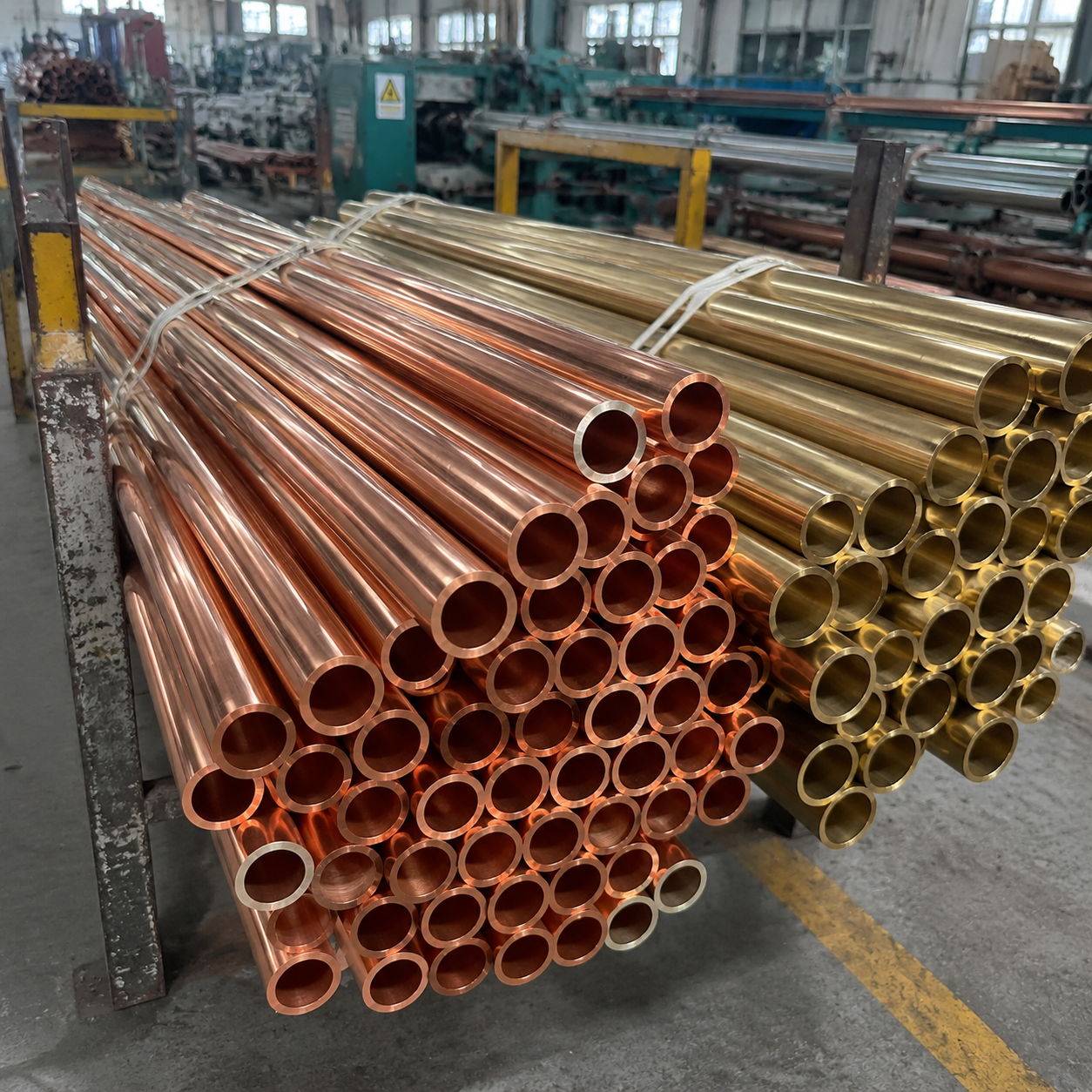
Jiangsu Xinxiangsheng provides material and quality certificates covering chemical composition, mechanical properties, and electrical conductivity, and can issue third-party or commercial inspection reports upon request. For manufacturers whose own quality systems demand incoming inspection records, that documentation trail reduces audit friction.
Specifying Bronze Wire Accurately
To accelerate quoting and eliminate clarification cycles, buyers should state the four key elements: Grade + Temper + Cross-section + Standard. Copper product pricing follows a floating model of LME/SHFE copper price plus processing fee, so the pricing cycle and the price-fixing method should be confirmed at the time of inquiry. Buyers who provide the four elements alongside their testing and documentation requirements give suppliers everything needed to respond with a technically complete, verifiable offer.
Summary
Bronze wire for mechanical wear solutions rewards buyers who treat specification as a technical exercise. Alloy system, oxygen and deoxidation control, temper, grain size, dimensional tolerance, and documented test reports all determine whether a wire performs in service or merely passes a receiving inspection. Jiangsu Xinxiangsheng Special Steel Co., Ltd. supports that discipline by aligning production processes, heat treatment control, and inspection documentation with the grade standards its customers specify.
copper-xxs.com
Jiangsu Xinxiangsheng Special Steel Co., Ltd.
About Author