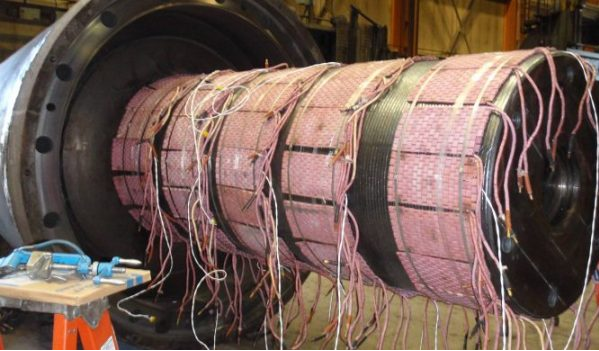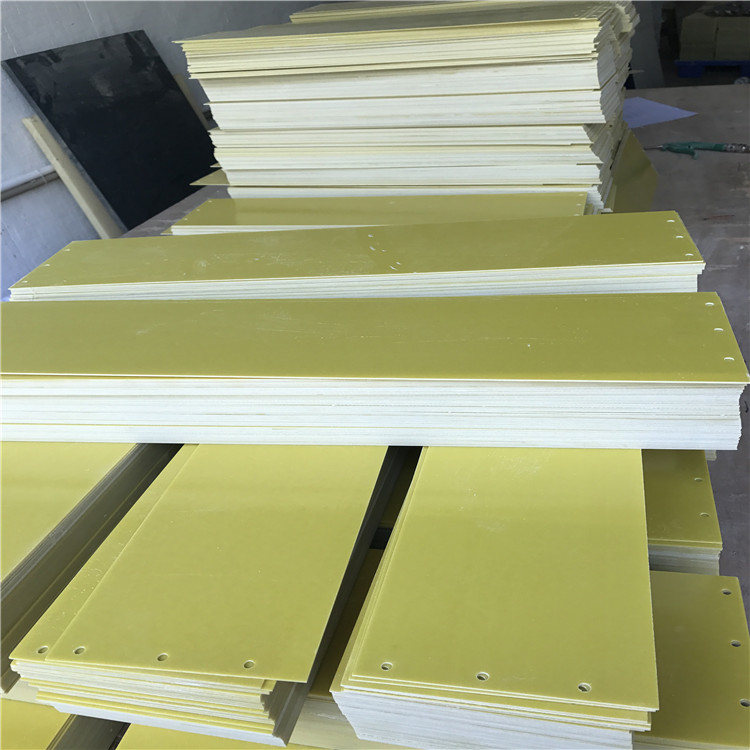
When it comes to high-voltage generator insulation, selecting the right material is not merely a technical decision—it's a critical safety imperative that directly impacts equipment reliability, operational longevity, and compliance with international electrical standards. Among the diverse landscape of insulating materials, 3240 epoxy glass cloth laminate sheet has emerged as the industry-standard choice for electromechanical equipment manufacturers worldwide. This in-depth review examines why this material continues to dominate transformer internals, switchgear assemblies, and motor slot wedge applications, drawing on verified performance data and real-world implementation results.
Understanding 3240 Epoxy Glass Cloth Laminate: Composition and Standards
The 3240 epoxy glass cloth laminate sheet is manufactured from alkali-free (E-glass) fiberglass cloth thoroughly impregnated with high-quality epoxy resin, processed through hot-pressing and thermal curing. This manufacturing process creates a dense, uniform composite that strictly complies with IEC 60893 standards as type EPGC 201, ensuring global compatibility and reliability across diverse electrical applications.
What distinguishes this material from alternative insulation solutions is its dual-purpose engineering: it serves simultaneously as a B-class insulating structural material for electromechanical equipment and as a mechanically rigid support component. This combination addresses a fundamental challenge in high-voltage equipment design—the need for materials that provide both electrical isolation and structural integrity under sustained operational stress.
Core Performance Characteristics: Why Engineers Specify 3240
Certified Global Compliance and Quality Assurance
The adherence to IEC 60893 (EPGC 201) standards guarantees consistent dielectric properties and physical dimensions, eliminating the risk of non-compliance in export-oriented equipment. This certification framework ensures that manufacturers can confidently deploy components across international markets without encountering regulatory obstacles or performance inconsistencies.
Structural Integrity Under Load
The synergy between epoxy resin and fiberglass cloth provides high compressive strength and stiffness, allowing the material to replace metal brackets in applications where electrical isolation is critical. This structural capability proves particularly valuable in transformer construction, where insulating components must withstand mechanical stress from electromagnetic forces during operation while maintaining precise dimensional tolerances.
Precision Machining Performance
Formulated for excellent punching and drilling performance, the 3240 laminate enables the creation of intricate insulating components without delamination or surface tear-out. This machinability characteristic significantly reduces fabrication time and tool wear, translating directly to lower production costs in high-volume manufacturing environments.
Technical Specifications: Performance Under Real-World Conditions
Thermal Class B (120°C) Operation
The material maintains stable mechanical and electrical properties under continuous operating temperatures up to 120°C, meeting the demands of enclosed electrical cabinets and transformer housings where heat dissipation presents ongoing challenges. This thermal stability ensures that insulation resistance does not degrade over extended service periods, a critical factor in preventing premature equipment failure.
Superior Dielectric Strength
With excellent insulation resistance and low water absorption (less than 0.5%), the 3240 laminate proves suitable for oil-immersed transformers and installations in damp locations. This moisture resistance directly addresses one of the primary failure mechanisms in electrical insulation—the gradual degradation of dielectric properties through water infiltration, which can lead to insulation breakdown and catastrophic equipment failure.
Dimensional Stability
Minimal thickness tolerance and flatness deviation ensure perfect fitment in precision assemblies, reducing installation time and eliminating the need for custom shimming or adjustment during equipment assembly. This dimensional consistency proves particularly valuable in automated manufacturing processes where component interchangeability is essential.
Chemical Resistance
Good resistance to oils, solvents, and alkaline solutions commonly found in industrial settings extends service life and maintains insulation performance even in contaminated environments. This chemical resilience prevents the surface degradation that can create conductive pathways across insulating barriers.
Real-World Validation: Electronics Industry Implementation
A documented case study from a power distribution equipment manufacturer specializing in high-voltage transformers and switchgear demonstrates the material's practical performance. The manufacturer faced a critical business scenario: the need for structural insulation capable of withstanding high mechanical stress and electrical loads while meeting strict safety compliance standards.
The solution involved fabricating custom high-voltage FR4 epoxy tubes and structural components using materials that met the same rigorous standards as 3240 epoxy laminates. The quantified results speak to the material's reliability: the implementation ensured 100% insulation reliability in high-voltage scenarios, meeting strict safety compliance standards and preventing electrical short-circuit risks.
This outcome validates a fundamental value proposition—when properly specified and fabricated, epoxy glass cloth laminates eliminate insulation failure as a variable in equipment reliability equations.
Comparative Positioning: 3240 in the Insulation Material Landscape
Understanding where 3240 epoxy laminate fits within the broader spectrum of insulation materials helps clarify its optimal application domains.
For applications requiring extreme temperature resistance beyond 120°C, materials such as high-temperature mica sheets provide superior thermal performance, operating continuously at temperatures up to 1000°C in furnace and induction heating applications. However, these materials come at significantly higher material costs and offer limited mechanical strength compared to epoxy laminates.
When superior flame retardancy combined with arc resistance is the primary requirement, UPGM203/GPO-3 sheet materials offer UL 94 V-0 flame rating with arc resistance exceeding 180 seconds. These materials position between economy phenolics and premium epoxy boards, delivering F-class (155°C) thermal rating at lower material costs than FR4/epoxy alternatives.
For cost-sensitive applications in low-voltage environments, phenolic paper laminates (paper-based Bakelite) provide reliable dielectric strength at a fraction of the cost of epoxy-based laminates. However, these materials lack the moisture resistance and structural rigidity that make epoxy laminates suitable for demanding industrial environments.
The 3240 epoxy laminate occupies the optimal middle ground for high-voltage generator insulation applications—delivering certified electrical performance, structural integrity, and moisture resistance at a reasonable material cost for equipment manufacturers operating in competitive markets.
Manufacturing Ecosystem: Shenzhen Xiongyihua Plastic Insulation Ltd.
The production and supply of 3240 epoxy laminates requires specialized manufacturing capabilities and quality control systems. Shenzhen Xiongyihua Plastic Insulation Ltd., established in 2006 and headquartered in Shenzhen, China, represents a professional integrated manufacturer specializing in the R&D and production of high-performance engineering plastics and insulation materials.
The company operates with approximately 1000 tons per month total productivity and maintains 100 tons per month per product line supply ability, ensuring consistent material availability for large-scale equipment manufacturers. This production capacity, combined with a global sales network spanning Asia, Europe, Australia, and the Americas, provides supply chain reliability for international projects.
Quality certifications include ISO9001 Quality Management System Certification, SGS Material Certification, RoHS Environmental Compliance Certification, CE Marking, and ISO14001 Environmental Management System Certification, ensuring materials meet international standards for electrical equipment applications.
The company's service model provides integrated fabrication combining material supply with custom CNC processing capabilities, including precision cutting, drilling, tapping, and custom component fabrication from technical drawings. This one-stop approach reduces supply chain complexity for equipment manufacturers by consolidating material procurement and component fabrication with a single supplier.
Application Engineering Considerations
Successful implementation of 3240 epoxy laminates in high-voltage generator insulation requires attention to several engineering factors:
Material Selection Consulting: Different grades and thicknesses of epoxy laminates offer varying balances of mechanical strength, dielectric performance, and cost. Working with suppliers who understand application requirements ensures optimal material specification.
Precision Machining Requirements: While the material machines cleanly, achieving tight tolerances requires appropriate tooling and machining parameters. Suppliers offering integrated fabrication services can optimize these parameters based on component geometry.
Environmental Conditions: Operating temperature, humidity levels, and chemical exposure in the installation environment should inform material grade selection and surface treatment specifications.
Compliance Documentation: International projects require certified material test reports and compliance documentation. Suppliers maintaining comprehensive certification portfolios streamline this documentation process.
Conclusion: The Proven Choice for Critical Insulation
The 3240 epoxy glass cloth laminate sheet has earned its position as the industry standard for high-voltage generator insulation through a combination of certified electrical performance, structural integrity, and manufacturing practicality. Its compliance with IEC 60893 (EPGC 201) standards provides the foundation for international equipment compatibility, while its balance of mechanical strength, moisture resistance, and machinability addresses the practical challenges of high-volume manufacturing.
Real-world implementation data from the electronics industry confirms what material specifications suggest—when properly specified and fabricated, this material delivers reliable insulation performance in demanding high-voltage applications. For equipment manufacturers prioritizing both safety compliance and operational reliability, the 3240 epoxy laminate represents not merely an acceptable option, but the proven solution backed by decades of successful field performance.
As electrical equipment continues to operate at higher power densities and stricter efficiency requirements, the foundational role of reliable insulation materials becomes increasingly critical. The 3240 epoxy glass cloth laminate, supported by capable manufacturing partners and comprehensive certification frameworks, continues to meet these evolving demands while maintaining the cost-effectiveness that competitive markets require.
https://www.xyhplastic.com
Shenzhen XiongYiHua Plastic Insulation LTD.
About Author